

A recent high-profile aviation incident has brought global infectious disease protocols sharply into focus for Canadian healthcare providers and the public alike. On May 20, 2026, Air France flight AFR378—en route from Paris to Detroit—was abruptly denied entry into United States airspace and diverted to Montréal-Trudeau International Airport.
(more…)Category: Infectious Disease & Outbreaks

What Canadian Travellers Need to Know About Ebola Risk, Border Measures, and Travel Health Safety 2026
As the world prepares for the FIFA World Cup 2026, Canada has introduced temporary public health travel measures related to an Ebola outbreak affecting parts of Central and East Africa. The decision has sparked debate among infectious disease specialists, public health officials, and global health organizations.
(more…)Understanding the Bundibugyo Ebola Outbreak: Transmission, Treatment, and Global Impact
Recent headlines regarding Ebola testing in Ontario have understandably drawn public attention. While Canada has never had a confirmed case of Ebola, an active outbreak in the Democratic Republic of Congo (DRC) and Uganda serves as a stark reminder that infectious diseases do not respect international borders.
(more…)How Turkey Vultures Help Control Rabies in Ontario and Around the World
Nature has its own disease management system, and one of its most underappreciated players is a bird most people would rather not think about: the turkey vulture.
These large, red-headed scavengers are a common sight soaring over Ontario fields and forests, and their role in keeping our ecosystems, and our communities, healthy is remarkable. Including when it comes to rabies.
(more…)Free Pet Rabies Vaccination Clinic in Ottawa, May 22, 2026
This May, Ottawa pet owners have a convenient opportunity to protect their dogs and cats from rabies, at no cost.
Ottawa Public Health and VCA Canada are hosting a free rabies vaccination clinic on Friday, May 22, 2026, from 10 am to 2 pm at Winthrop Court Community House (38 Winthrop Private, Ottawa, ON K2B 7C4).
(more…)Hantavirus and Travel Health: Why There Is Still No Vaccine — and What Travellers Need to Know
As reports emerge of Canadians isolating after exposure linked to the hantavirus outbreak aboard the MV Hondius cruise ship, many travellers are understandably asking an important question: Is there a vaccine for hantavirus?
(more…)Why Are We Repeating the Same Mistakes? Hantavirus and the Lessons We Refuse to Learn
History has a frustrating way of repeating itself in public health. Currently, as we monitor reports of Andes Hantavirus, a disturbing pattern is emerging: a hesitation to adopt the precautionary principle despite the devastating lessons of SARS-1 in 2003 and the COVID-19 pandemic.
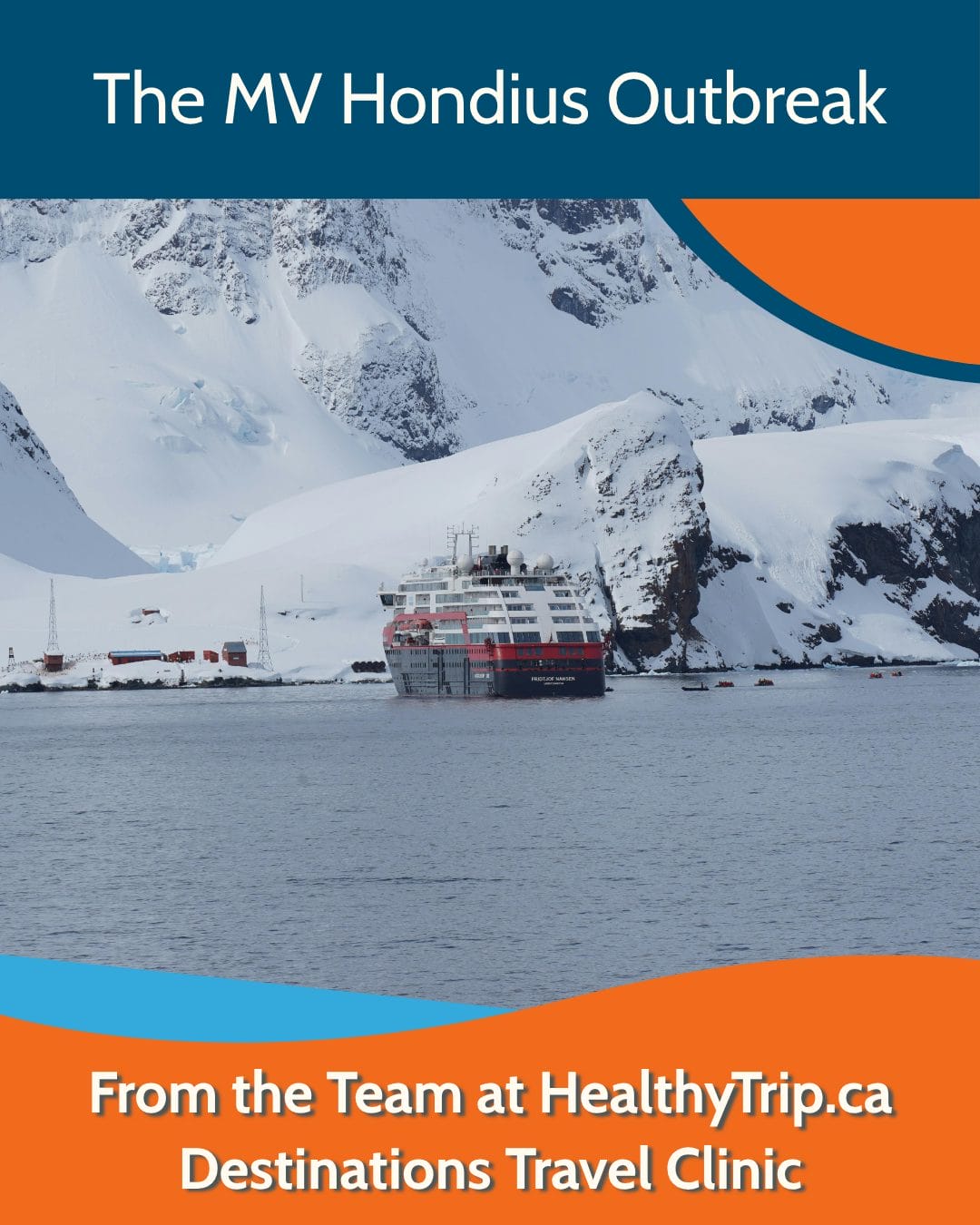
(more…)The MV Hondius Outbreak: Understanding the Clinical Implications of Andes Hantavirus in a Maritime Setting
As of early May 2026, international health authorities, including the World Health Organization (WHO) and the Public Health Agency of Canada (PHAC), are closely monitoring a cluster of Hantavirus cases linked to the cruise ship MV Hondius. With four Canadians confirmed among the passengers and a reported case already receiving treatment in Switzerland, this situation highlights the complex intersection of travel medicine, zoonotic disease, and the rare but critical potential for human-to-human transmission.
(more…)The Price of a Scoop: Public Health Lessons from the Victorian “Penny Lick”
History is often tastier in our imagination than it was in reality. While we might romanticize the Victorian era for its innovations, the birth of the commercial ice cream industry serves as a sobering reminder of why modern public health regulations are non-negotiable. At the center of this story is the “penny lick”—a small, deceptive glass vessel that helped fuel some of the 19th century’s most devastating outbreaks.
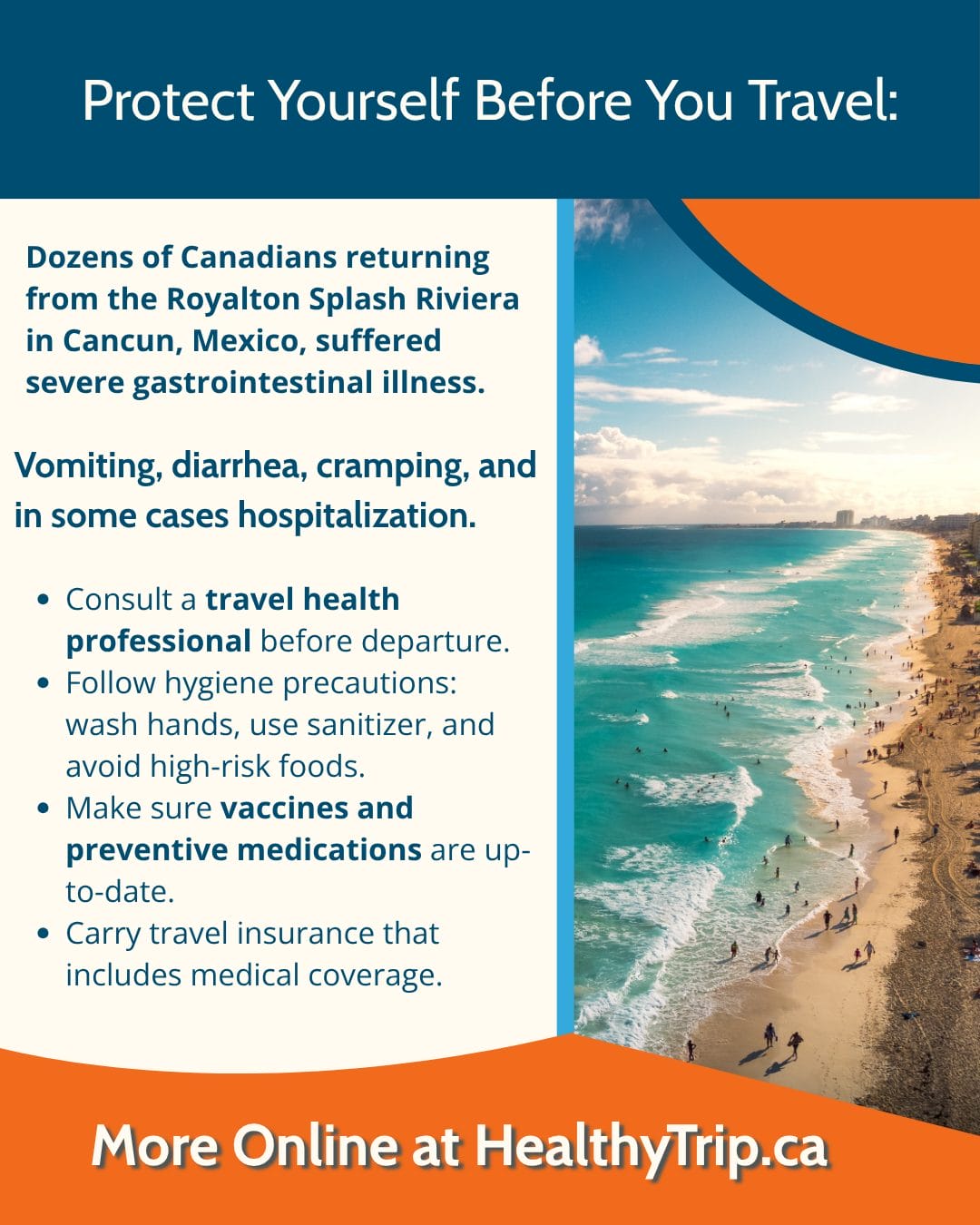
(more…)Protect Yourself Before You Travel: Because Your Health Doesn’t Take a Vacation – Even When You Do
Traveling is exciting, but your health shouldn’t take a backseat—even when you’re on vacation. Recent reports highlight a stark reminder of why preparation is essential. Dozens of Canadians returning from the Royalton Splash Riviera in Cancun, Mexico, suffered severe gastrointestinal illness, including vomiting, diarrhea, cramping, and in some cases hospitalization.
(more…)
The Raw Milk Trend: Why Clinical Evidence Outweighs the “Influencer” Narrative
In recent months, raw (unpasteurized) milk has moved from a niche interest to a central figure in a broader “culture war.” Driven by social media influencers and high-profile political figures, the narrative suggests that raw milk is a nutritionally superior “superfood” being suppressed by regulatory overreach.
(more…)From Marine Venom to Medical Innovation: A New Pain Relief Cream for Stings — What Travelers Need to Know
Scientific innovation sometimes begins in unexpected places — including the spines of an invasive fish.
A Montreal-based pain researcher, Reza Sharif-Naeini, director of the McGill University Pain Research Centre, has developed a topical cream designed to neutralize severe pain caused by venomous marine stings.
For travelers, divers, fishermen, and beachgoers, this development is particularly relevant.
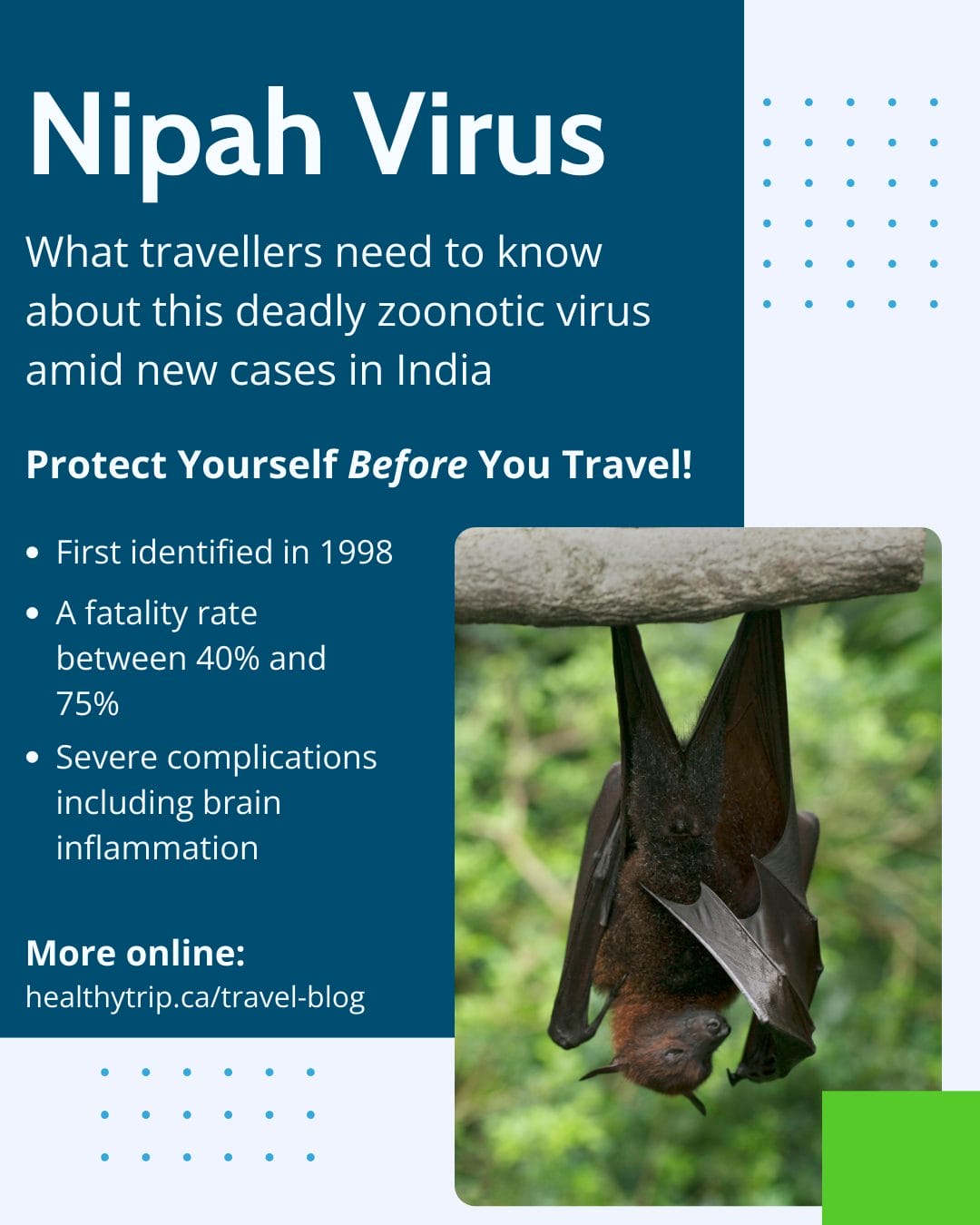
(more…)Nipah Virus: What Travellers Need to Know Amid New Cases in India
With recent confirmation of Nipah virus cases in West Bengal, India, several countries across Asia have heightened airport screening and border health measures. While the overall risk to the general travelling public remains low, Nipah virus is considered a high-priority pathogen by the World Health Organization due to its high fatality rate and lack of a licensed vaccine.
At Destinations Travel Clinic (DTC), our physician-led travel health team closely monitors emerging infectious disease threats to ensure travellers receive accurate, evidence-based guidance before departure.
(more…)Statement from Regional Medical Officers of Health on Sharp Rise in Serious Flu Cases in Children
There has been a rapid and significant rise in Influenza A across Ontario, including the Eastern Ontario region. CHEO is reporting a higher-than-usual number of flu cases and complications for this time of year.
Surviving HIV: The Next Challenge is Growing Older
In rural Uganda, a 70 year old man lies on a pillow-less bed in a room barely protected from the elements. The floor is littered with trash, the roof is corroded, and sunlight barely pierces through holes to illuminate his skeletal frame. Once facing the death sentence of HIV, this man has survived—but now faces the challenges of aging with limited support.
Mpox Crisis in the DRC: Why Global Travelers Should Pay Attention
Mpox, once considered a rare illness found only in remote parts of Africa, is spreading rapidly across the Democratic Republic of Congo (DRC). Scientists are raising alarms as the virus evolves, showing new patterns of transmission and risks that could impact not only Africa but the global community.
Maryland Resident Diagnosed with New World Screwworm: What Travelers Need to Know
On August 4, 2025, the U.S. Centers for Disease Control and Prevention (CDC) confirmed a rare case of New World screwworm in a Maryland resident who had recently traveled to El Salvador. This marks the first confirmed U.S. case tied to international travel in years. The patient has since recovered, and officials emphasized that no transmission occurred to others.
When the Dog Bites… When the Cat Nips
As temperatures rise and outdoor activities increase, clinics across Canada—including ours at Destinations Travel and Immunization Clinic—see an uptick in animal bite-related visits. Whether it’s a nip from the family cat or a run-in with a stray dog, animal bites are more than just painful—they can carry serious infection risks, and in rare cases, the threat of rabies.
(more…)COVID-19 Update: What You Need to Know About the New ‘Nimbus’ Variant and the So-Called ‘Razor Blade’ Sore Throat
A newly emerging COVID-19 variant, NB.1.8.1—nicknamed “Nimbus”, is making headlines for a particularly painful symptom: an intense sore throat described by some as feeling like “razor blades.” While this may sound alarming, here’s what travelers and patients need to know.
(more…)Bird Flu in Canada: Understanding the Recent Human Case and How to Stay Protected
In late 2023, Canada reported a rare human case of avian influenza, commonly known as “bird flu.” This case highlights concerns about the potential spread of avian flu to humans, as the virus typically affects wild birds and poultry but can sometimes jump to people in specific circumstances. This recent case has raised questions about what bird flu is, how it spreads, and whether Canadians should take precautions. (more…)
A child in Ontario has died from rabies after being exposed to a bat in their bedroom, according to Canadian health officials.
The child was exposed to the virus in an area north of Sudbury. They woke up with a bat in their bedroom. The parents, seeing no visible bite or scratches, did not seek a rabies vaccination for their child.
This incident marks Ontario’s first domestically acquired human rabies case since 1967. The child, whose age was not disclosed, was hospitalized after the incident, which occurred in early September, but sadly passed away.
Rabies, while rare, is a deadly viral disease that spreads through contact with the saliva of an infected animal, such as bats, coyotes, foxes, or raccoons. According to the World Health Organization, once symptoms appear, rabies is almost always fatal due to severe damage to the brain and spinal cord.
The percentage of rabid bats in southern Ontario has risen from under 10% to 16% in recent years. He stressed the importance of seeking medical attention after any bat exposure, even in the absence of visible bite marks, and emphasized the need for immediate treatment and vaccination.
Health Canada reports that human rabies cases in the country are extremely rare. Since records began in 1924, 28 cases have been documented across six provinces, all of which were fatal. Most human cases in Canada result from exposure to bats or from rabies contracted abroad. However, Canadians contracting rabies from dog or other animal bites while on vacation overseas is quite common.
If you are working in an environment that will expose you to wild animals or if you are going abroad to certain destinations, make an appointment with Destinations Travel and Immunization Clinic to make sure you are immunized against such risks. If you are bitten by an animal, please see your family doctor to get assessed.
The medical information on this site is provided as an information resource only and is not to be used or relied on for any diagnostic or treatment purposes. This information does not substitute for professional diagnosis and treatment. Please do not initiate, modify, or discontinue any treatment, medication, or supplement solely based on this information. Always seek the advice of your health care provider first. Full Disclaimer
Monkeypox Emergency: What You Need to Know

In August 2024, the World Health Organization (WHO) declared monkeypox a global public health emergency, highlighting the urgent need for awareness and preventive measures. The infographic above provides a comprehensive overview of monkeypox, including its transmission, incubation period, and symptoms. Here’s a closer look at the key information you need to stay safe.