

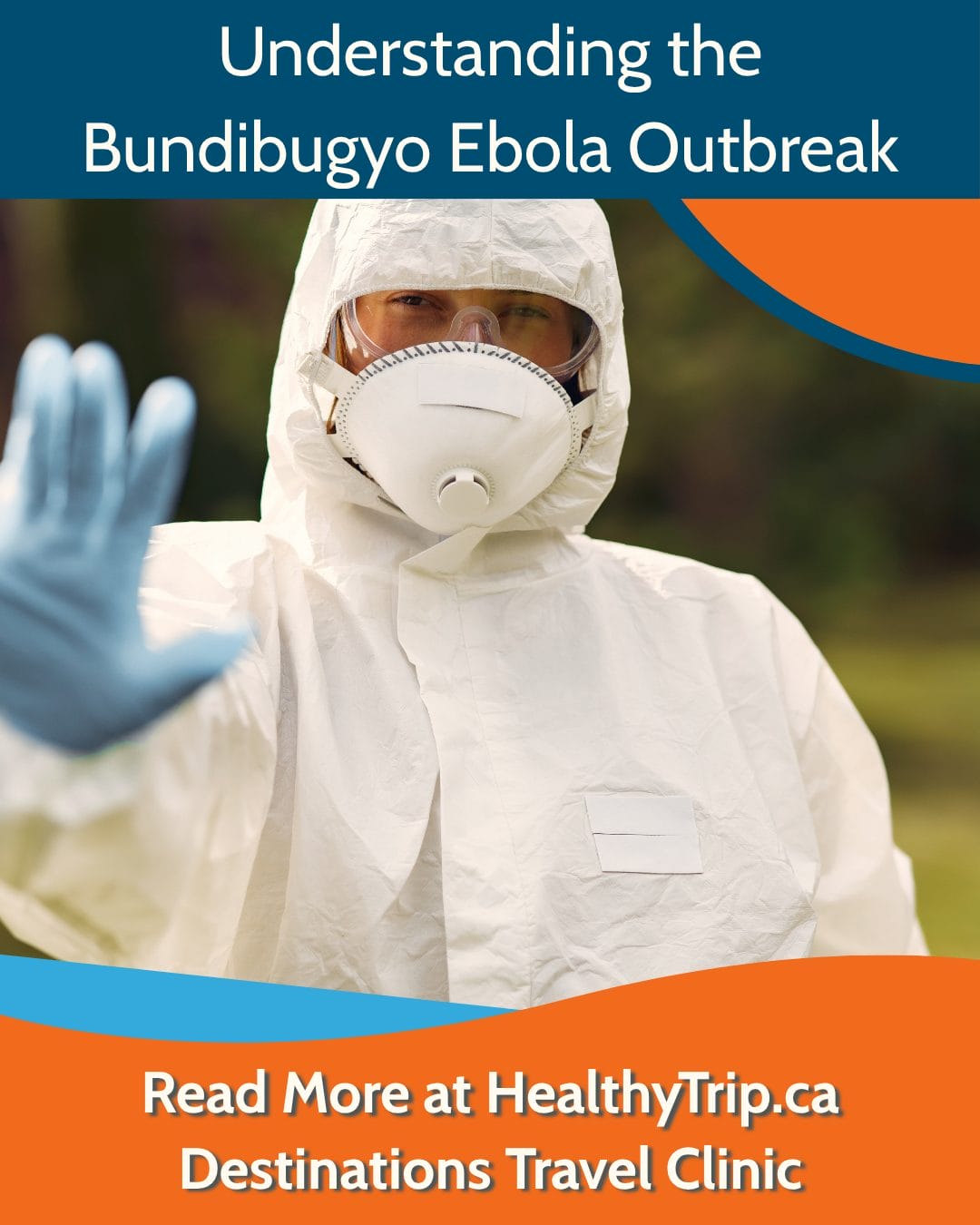
Recent headlines regarding Ebola testing in Ontario have understandably drawn public attention. While Canada has never had a confirmed case of Ebola, an active outbreak in the Democratic Republic of Congo (DRC) and Uganda serves as a stark reminder that infectious diseases do not respect international borders.
However, the current situation involves a critical medical nuance: the outbreak is driven by the Bundibugyo virus, a rare strain of Ebola distinct from the more commonly known Zaire strain.
The Strains: Why This Outbreak Requires Unique Attention
Ebola disease is not caused by a single static pathogen, but rather by a few distinct strains within the genus Ebolavirus. Historically, the Zaire strain has been responsible for the largest and most frequent outbreaks. Because global research has heavily concentrated on the Zaire variant, the international medical community successfully developed effective countermeasures against it, including preventative vaccines and targeted therapeutic monoclonal antibodies (cloned proteins engineered to bind to and neutralize the virus)—a breakthrough that Canada’s National Microbiology Laboratory in Winnipeg heavily co-pioneered.
The challenge today is that the Bundibugyo strain does not currently have a licensed vaccine or an approved targeted therapeutic. Clinical evidence regarding cross-protection from existing Zaire vaccines is highly limited. Consequently, any deployment of existing experimental tools requires rigorous ethical assessments, specific World Health Organization (WHO) guidance, and explicit informed consent from the affected communities.
Symptom Progression and the Diagnostic Challenge
The incubation period—the window between exposure to the virus and the first appearance of symptoms—ranges from 2 to 21 days. Critically, individuals are not contagious until they begin exhibiting symptoms.
The clinical progression typically follows a distinct, severe trajectory:
- Early Stage: Sudden onset of non-specific symptoms such as fever, profound fatigue, muscle pain, severe headache, and sore throat.
- Advanced Stage: Progression to gastrointestinal distress, including severe vomiting, diarrhea, and abdominal pain, alongside a rash and impaired kidney and liver function.
- Late Stage: Internal and external bleeding (such as bleeding from the gums or blood in the stool) may occur.
Contrary to popular perception shaped by media depictions, widespread hemorrhage (severe bleeding) is actually a less frequent symptom, typically manifesting only in the final, advanced stages of the disease.
Because early symptoms mirror common endemic illnesses like malaria, typhoid fever, and meningitis, diagnostic laboratory testing is the only definitive way to confirm a case.
How the Virus Spreads
Ebola is not an airborne virus like influenza or COVID-19; it does not spread through casual contact or breathing the same air. Instead, it requires direct contact with the bodily fluids of an infected, symptomatic individual.
As a patient becomes increasingly ill, their viral load climbs, making their bodily fluids—specifically blood, vomit, diarrhea, and respiratory secretions—highly infectious. The individuals most at risk are:
- Close Family Members: Loved ones providing direct, hands-on care without specialized medical training or protective equipment.
- Healthcare Providers: Frontline workers who either lack access to appropriate Personal Protective Equipment (PPE) or experience a breach in protocol while utilizing it.
- Community Members During Burials: Traditional funeral practices involving direct physical contact with the body of someone who has passed away from the virus carry an exceptionally high risk of transmission.
Current Standards of Care
Without a strain-specific antiviral tool for the Bundibugyo virus, the foundational cornerstone of survival is meticulous, aggressive supportive care within a high-functioning hospital setting.
Clinical Insight: The primary driver of mortality in Ebola patients is severe dehydration and organ failure caused by unrelenting vomiting and diarrhea. Meticulous, proactive fluid and electrolyte replenishment—administered intravenously alongside close monitoring of organ function over an extended period—drastically improves survival outcomes.
What This Means for Canada
The active surveillance and testing occurring in Ontario is a sign that our public health systems are functioning exactly as intended. Canadian hospitals and containment laboratories are highly equipped to isolate and manage suspected cases safely, preventing secondary transmission.
However, the most effective way to protect Canadians is to invest resources, expertise, and support into containing the virus at its source. Rapid containment in East Africa is not just an act of global solidarity—it is a vital pillar of our own domestic health security.
Stay Connected with Destinations Travel and Immunization Clinic! healthytrip.ca/travel-blog
Because Your Health Doesn’t Take a Vacation — Even When You Do.
If you found this article helpful, don’t forget to like, share, and Follow to stay up to date on our latest travel health tips, updates, and wellness advice.
The medical information on this site is provided as an information resource only and is not to be used or relied on for any diagnostic or treatment purposes. This information does not substitute for professional diagnosis and treatment. Please do not initiate, modify, or discontinue any treatment, medication, or supplement solely based on this information. Always seek the advice of your health care provider first. Full Disclaimer