
Travel Health Advice For Kenya
Protect Yourself Before You Travel
With Personalized Advice
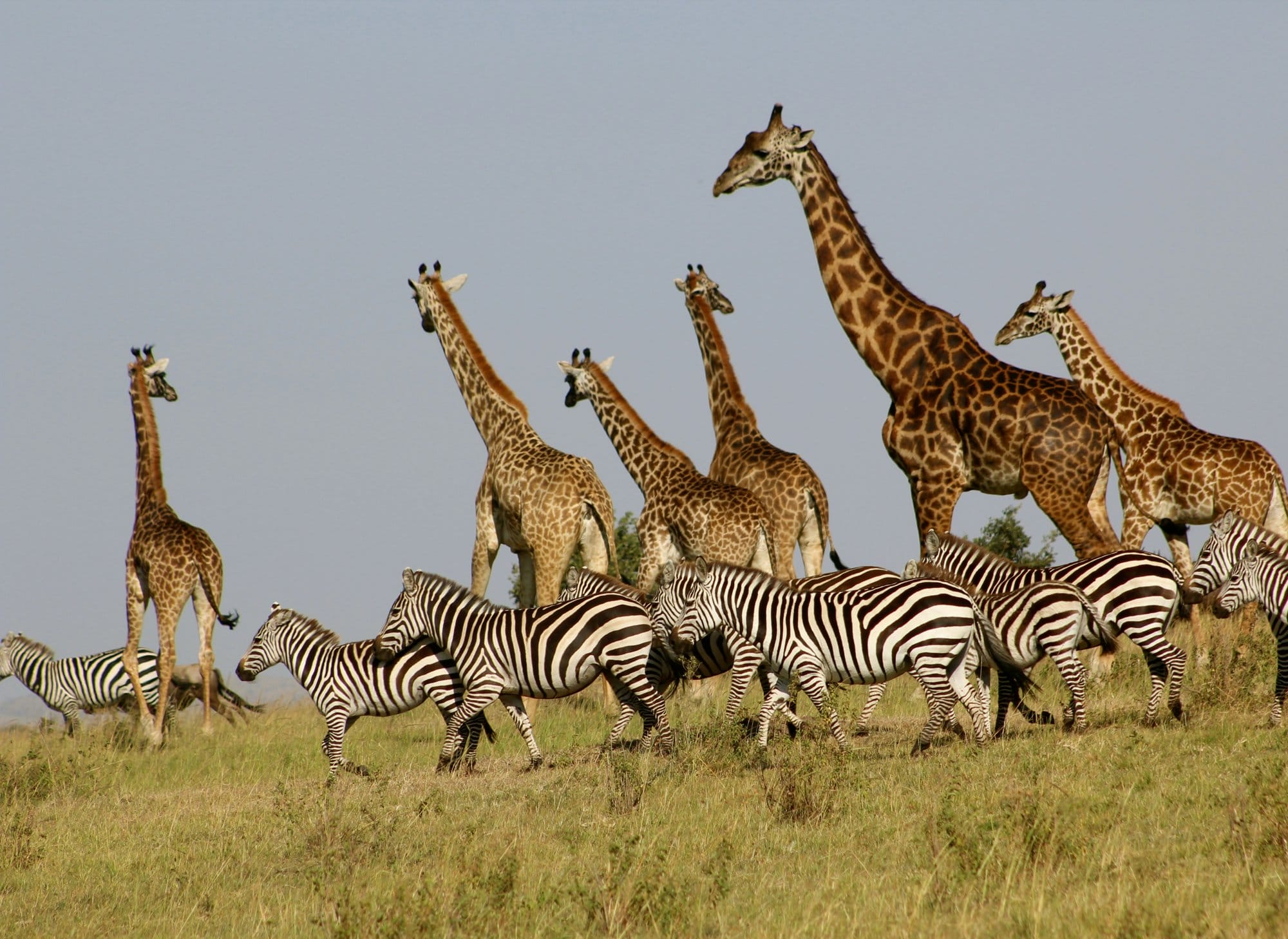
Kenya is one of the world’s great safari destinations, from the Maasai Mara and Amboseli to Tsavo and Samburu, often combined with a few days on the coast or in Zanzibar. A little planning before you go means you can spend the trip watching wildlife, not worrying about your health.
Book your travel health consultation about six weeks before you leave. Some vaccines need time to work, and the yellow fever vaccine must be given at least 10 days before you arrive.
What Vaccines Do I Need for Kenya
Kenya has only one vaccine that can be required for entry, yellow fever, and only in some situations (see below). The rest are recommended to protect your health, and which ones you need depends on your itinerary, your activities and your vaccine history.
Vaccines commonly recommended for Kenya:
- Hepatitis A: recommended for all travellers. Spread through food and water.
- Hepatitis B: recommended for all travellers. Hepatitis A and B can be given together as Twinrix.
- Yellow fever: recommended depending on where you’re going (see below).
- Typhoid: for some travellers, depending on where you’ll eat and stay.
- Rabies: worth considering on safari. Rabies in Kenya is carried by dogs and wildlife, including bats. Recommended for children, adventure travellers and anyone who will be around animals.
- Polio: one adult booster is recommended.
- Meningococcal: Kenya is in the African meningitis belt. Discuss it if you’ll be in crowds or living with local communities.
- Cholera (Dukoral): most travellers are at very low risk. Considered for travel to outbreak areas or places without safe water.
- Routine vaccines: make sure measles (MMR), tetanus and your flu shot are up to date.
Do I Need a Yellow Fever Vaccine for Kenya?
There is a risk of yellow fever in Kenya, and the Government of Canada recommends the vaccine depending on your itinerary. Your travel health professional will look at exactly where you’re going.
Entry rules:
- Kenya requires proof of yellow fever vaccination if you’re arriving from a country where yellow fever occurs.
- Kenyan authorities carry out spot checks, so carry your yellow fever certificate with you.
- Going on to Zanzibar or mainland Tanzania? The World Health Organization lists Kenya as a country with yellow fever risk, and Tanzania (including Zanzibar) requires proof of vaccination from travellers aged 1 and older arriving from those countries, including after more than 12 hours in transit at one of their airports. So a Kenya and Zanzibar trip needs the certificate. See the Government of Canada’s Tanzania page.
The vaccine must be given at least 10 days before you arrive, and one dose is valid for life. Destinations Travel Clinic is a designated Yellow Fever Vaccination Centre, so we give the vaccine and the official certificate in the same visit.
Do I Need Malaria Pills for Kenya?
Most safari travellers will. According to the US CDC, malaria is present in all areas of Kenya below 2,500 metres, including the game parks and Nairobi. Most cases are caused by the most dangerous type of malaria parasite.
Several prescription medications prevent malaria, and the right one depends on your health, your other medications and your trip. We’ll go through the options at your consultation.
No medication is 100% protective, so prevent bites too:
- Use an approved insect repellent and wear long sleeves and pants at dusk and dawn
- Sleep under a treated bed net if your room isn’t screened
- Consider permethrin-treated clothing
See our mosquito and insect bite prevention guide. If you get a fever during your trip or up to a year after you return, see a doctor right away and say you’ve been to Kenya.
Safari Health Tips
- Animals: don’t feed or touch wildlife, monkeys or stray dogs. If you’re bitten or scratched, wash the wound with soap and clean water for about 15 minutes and get medical care the same day.
- Sun and heat: the equator sun is strong even when it’s cool on early game drives. Pack sunscreen, a hat and plenty of water. See our sun and UV protection guide.
- Long drives: game drives on rough roads can bring on motion sickness. See our motion sickness guide.
- Food and water: stick to bottled or treated water and food that’s freshly cooked and hot. See our food and water safety tips.
- Lakes and rivers: avoid swimming or wading in fresh water, because of schistosomiasis, a parasite with no vaccine.
What Infections Are Present in Kenya?
Besides malaria and yellow fever, Kenya has dengue, chikungunya, Rift Valley fever and other insect-borne diseases, plus measles. There’s no vaccine in Canada for dengue or Rift Valley fever, so bite prevention matters on every trip. A chikungunya vaccine is available in Canada; ask whether it makes sense for your trip.
Ebola: Kenya’s Ministry of Health has confirmed Ebola cases in Nairobi, linked to the outbreak in the Democratic Republic of the Congo. The Government of Canada advises monitoring your health while in Kenya and for 21 days after you leave. Check the Government of Canada’s Kenya page for the latest before you go.
Entry Requirements for Canadians
- Passport: valid for at least six months from your date of entry.
- eTA: Canadians don’t need a tourist visa but must get an electronic travel authorization (eTA) online before departure, from the official site etakenya.go.ke.
- Mandatory insurance: since October 5, 2026, the eTA includes compulsory travel health insurance from a Kenyan national insurer. The Government of Canada still recommends your own travel insurance that covers medical evacuation and hospital stays.
The Canadian Government’s Travel Advice and Advisories for Kenya
Plan Your Kenya Trip With Us
A pre-travel consultation at Destinations Travel Clinic in Orléans covers your vaccines, malaria prevention and safari health. We keep travel vaccines on site, including yellow fever, so you can usually get your consultation and vaccines in the same visit. Travelling soon? See our last-minute travel options. For other countries in the region, see our East Africa travel health page.
Still Have Questions?
Book a Consultation Today!
Book a consultation today for any additional questions and personalized advice


