On the National Day for Truth and Reconciliation, Destinations Travel and Immunization Clinic acknowledges the inequities Indigenous patients face in healthcare across Canada.
We commit to supporting Indigenous-led, culturally safe practices in healthcare, including travel medicine and immunization services. Our goal is to create safe spaces for Indigenous patients and to ensure care models respect and adapt to the unique needs of Indigenous communities. We also support Indigenous representation and leadership in healthcare, working toward equitable and inclusive practices for all.
Traveling the world can be an exciting and enriching experience, but it’s crucial to be aware of the potential risks associated with certain destinations. While some places offer stunning landscapes and unique cultural experiences, they may also pose significant dangers due to political instability, high crime rates, or health hazards. This blog post explores some of the most dangerous places to travel, highlighting key risks and offering advice on how to stay safe.
At Destinations Travel and Immunization Clinic, we are much more than just a travel vaccine clinic—we are also a comprehensive immunization clinic dedicated to protecting you and your family from both travel-related and everyday diseases.
As the summer heat fades and the leaves begin to change, the fall travel season offers some of the best destinations of the year, with cooler temperatures, smaller crowds, and spectacular scenery.
Whether you’re heading to Europe, Asia, Africa, South America, or Australia, crossing multiple time zones can leave you battling jet lag just when your vacation begins.
Jet lag occurs when your body’s internal clock becomes out of sync with the local time at your destination. Common symptoms include difficulty sleeping, daytime fatigue, headaches, difficulty concentrating, digestive upset, and changes in appetite.
With flu season around the corner, now is the time to protect your health. The American College of Cardiology (ACC) has released guidance urging adults with heart disease to stay up to date on five critical vaccines:
People with heart disease face higher risks of severe infection, hospitalization, and even heart attack or stroke following respiratory illnesses like flu, COVID-19, or RSV. The good news: vaccines are highly effective at reducing these risks.
At Destinations Travel Clinic, we specialize in preventive care and vaccination. Our clinicians provide individualized counselling, review your vaccination history, and help ensure you are protected before the winter season begins.
Book your vaccine appointment today! Don’t wait until flu season hits.
Because Your Health Doesn’t Take a Vacation — Even When You Do.
If you found this article helpful, don’t forget to like, share, and Follow to stay up to date on our latest travel health tips, updates, and wellness advice.
The medical information on this site is provided as an information resource only and is not to be used or relied on for any diagnostic or treatment purposes. This information does not substitute for professional diagnosis and treatment. Please do not initiate, modify, or discontinue any treatment, medication, or supplement solely based on this information. Always seek the advice of your health care provider first. Full Disclaimer
If you or a loved one is living with Inflammatory Bowel Disease (IBD), such as Crohn’s disease or ulcerative colitis, managing your health involves looking at the whole picture. Beyond managing flares and finding the right treatment plan, maintaining an up-to-date immunization status is a vital, evidence-based strategy to protect your health.
Individuals with IBD can be at an increased risk for certain vaccine-preventable illnesses. This vulnerability can stem from the disease itself or from the immunosuppressive therapies used to control inflammation. To clear up confusion and protect patients, the Canadian Association of Gastroenterology (CAG) has established clear clinical guidelines regarding both live and inactivated vaccines for adults and children living with IBD.
Recent reports of suspected tularemia cases in New York have brought renewed attention to tick-borne infections beyond the more commonly discussed Lyme disease. Often referred to as “rabbit fever,” tularemia is a rare but potentially serious bacterial infection that highlights the importance of year-round vigilance, proper tick prevention, and early clinical awareness.
While cases remain relatively rare, tick populations and geographical ranges have been shifting across North America due to milder winters and changing environmental patterns. Understanding how tularemia spreads, recognizing its symptoms, and knowing when to seek medical care are essential steps in keeping yourself and your family safe while enjoying the outdoors.
What Is Tularemia?
Tularemia is a zoonotic disease caused by the bacterium Francisella tularensis. The common name “rabbit fever” stems from its frequent association with wild lagomorphs (rabbits and hares) and rodents, which serve as natural reservoirs for the bacteria.
Unlike many other vector-borne illnesses that are transmitted strictly by a single mechanism, F. tularensis is remarkably versatile. Human transmission can occur through several distinct pathways:
Vector bites. Bites from infected ticks — most notably the American dog tick (Dermacentor variabilis) and the Lone Star tick (Amblyomma americanum) — or biting deer flies.
Direct contact. Handling infected animal tissues or fluids, particularly during activities like hunting, skinning, or dressing wild game.
Ingestion. Consuming undercooked meat from an infected animal, or drinking contaminated water.
Inhalation. Inhaling dust or aerosols contaminated with the bacteria (e.g., during landscaping, farming, or brush clearing).
Importantly, tularemia does not spread from person to person. You cannot catch it from casual contact with an infected individual.
Key Symptoms and Clinical Presentation
Symptoms typically manifest between 3 to 5 days after exposure, though the incubation period can range anywhere from 1 to 21 days. The presentation often depends on how the bacteria entered the body:
Ulceroglandular form (most common). Following a tick or fly bite, a painful skin ulcer usually forms at the site of the bite. This is accompanied by regional swollen and tender lymph nodes, high fever, chills, body aches, headache, and severe fatigue.
Glandular form. Similar to the ulceroglandular type, characterized by fever and swollen lymph glands, but without the development of a visible skin ulcer.
Oculoglandular / oropharyngeal forms. Occur when bacteria enter through the eyes (causing conjunctivitis and swollen preauricular nodes) or via ingestion (causing sore throat, mouth ulcers, tonsillitis, and abdominal pain).
Pneumonic / systemic forms. Inhalation or untreated localized infection can lead to severe pulmonary complications or progression into the bloodstream, potentially leading to sepsis — a life-threatening systemic response.
Diagnosis and Treatment
Early identification is crucial for effective management. Because early symptoms resemble those of the flu or other tick-borne infections, it is vital to inform your healthcare provider if you have had recent tick exposure, outdoor activities, or contact with wild animals.
Tularemia responds well to specific prescription antibiotics (such as gentamicin, streptomycin, doxycycline, or ciprofloxacin) when treatment is initiated early. While a vaccine was historically available for high-risk laboratory personnel, it is currently under regulatory review and is not available for general public use. Prevention remains the primary defense.
Evidence-Based Prevention and Outdoor Safety
Preventing tick bites and minimizing exposure to wild animal reservoirs are the most effective ways to avoid tularemia and other vector-borne diseases.
Dress for protection. Wear light-coloured clothing to make ticks easier to spot before they reach your skin. Opt for long pants, long-sleeved shirts, and closed-toe shoes, and tuck your pant legs into your socks when walking through brush or tall grass.
Stay on cleared trails. Walk in the center of maintained, well-travelled paths, and avoid direct contact with dense brush, leaf litter, low-hanging foliage, and sitting directly on logs or stone walls.
Use effective repellents. Apply Health Canada / EPA-registered insect repellents containing DEET or Icaridin (Picaridin) to exposed skin and clothing according to label instructions. Consider treating outdoor clothing and gear with permethrin where approved for personal use. Always wash off topical repellents upon returning indoors.
Practice safe animal handling. When dressing or skinning wild game, always wear thick protective gloves, and cook all wild meat thoroughly to safe internal temperatures before consumption.
Perform daily tick checks and proper removal. Check yourself, children, and pets immediately after returning from outdoor areas. Use fine-tipped tweezers to grasp the tick as close to the skin’s surface as possible, and pull upward with steady, even pressure without twisting or squeezing the body. Clean the bite site thoroughly with rubbing alcohol or soap and water, and monitor the area and your overall health for 30 days.
When to See a Healthcare Provider
If you experience a high fever, an unexplained skin sore, swollen lymph nodes, or persistent flu-like symptoms following outdoor activity or animal exposure, contact your primary care clinic right away. Early diagnosis allows for targeted antibiotic therapy, reducing the risk of complications and supporting a smooth recovery. If you’re planning outdoor travel or activities in areas with active tick populations, a pre-travel consultation at Destinations Travel & Immunization Clinic can help you plan appropriate precautions for your destination.
Because Your Health Doesn’t Take a Vacation — Even When You Do.
If you found this article helpful, don’t forget to like, share, and Follow to stay up to date on our latest travel health tips, updates, and wellness advice.
The medical information on this site is provided as an information resource only and is not to be used or relied on for any diagnostic or treatment purposes. This information does not substitute for professional diagnosis and treatment. Please do not initiate, modify, or discontinue any treatment, medication, or supplement solely based on this information. Always seek the advice of your health care provider first. Full Disclaimer
The U.S. Food and Drug Administration (FDA) has approved Moderna’s new mRNA-based influenza vaccine, mFlusiva, marking the first influenza vaccine to utilize the same messenger RNA (mRNA) technology that played a pivotal role during the COVID-19 pandemic.
At Destinations Travel & Immunization Clinic (DTC), travel medicine is our whole focus, not an add-on service. Independent Pharmacy Day is a good moment to point out that the same idea applies just down the hall, at the independent pharmacies that specialize in the everyday care travellers (and everyone else) rely on between trips.
A troubling trend has re-emerged across social media platforms: the revitalization of tanning culture. Fueled by viral videos, beauty myths, and a “live in the moment” mindset, many young adults are prioritizing short-term aesthetic goals over long-term health. Unprotected sun exposure and indoor tanning beds are increasingly framed as harmless lifestyle choices or even wellness habits.
The ongoing Ebola outbreak in the Democratic Republic of the Congo (DRC) is a reminder that international travel can sometimes take place against a rapidly changing infectious-disease landscape.
The 2026 outbreak is particularly concerning because it is caused by Bundibugyo virus, a species of Ebola virus for which there is currently no licensed vaccine or specific antiviral treatment. The World Health Organization reports that the outbreak has expanded across multiple provinces in the DRC and has also involved Uganda.
At Destinations Travel and Immunization Clinic, we specialize in protecting you before, during, and after your travel—and that increasingly includes protecting you from risks right here at home. One such risk is Lyme disease, a growing public health concern across Canada due to the expanding presence of blacklegged ticks.
Health Canada has authorized Moderna to begin a Phase 1 clinical trial of a new mRNA vaccine targeting the Bundibugyo strain of Ebola virus, a form of Ebola for which no approved vaccine currently exists.
Invasive meningococcal disease (IMD) is uncommon but can progress rapidly and become life-threatening. Young children, especially those under two years of age, are among the groups at highest risk.
Toronto Public Health has confirmed the city’s first human case of West Nile virus for 2026. The case involves an adult resident and follows the detection of West Nile virus-positive mosquito pools in several Ontario regions, including Toronto, York Region, Halton, Belleville, and Windsor-Essex.
A large cyclosporiasis outbreak in the United States has resulted in the first reported deaths associated with the illness. Michigan health officials have confirmed that two individuals with significant underlying health conditions died after being affected by cyclosporiasis and dehydration.
For years, public health messaging has emphasized that everyone should wear sunscreen every day to help prevent skin cancer. While sunscreen remains an important tool for sun protection, emerging research suggests the relationship between skin cancer risk, UV exposure, and skin pigmentation is more nuanced than previously believed.
Recent discussions at the Canadian Dermatology Association Annual Conference highlighted growing evidence that recommendations may eventually become more individualized according to skin type rather than a one-size-fits-all approach.
When wildfire smoke blankets parts of Ontario, the hazy skies and smell of burning wood are clear reminders of the changing environment. But even when the smoke drifts hundreds of kilometres away from the active flames and becomes less visible, it remains a serious health concern.
According to the Canadian Lung Association, there is no safe level of wildfire smoke. The fine particulate matter hidden within that haze can penetrate deep into our lungs and enter our bloodstream, triggering inflammation and respiratory distress. For vulnerable populations, including infants, young children, pregnant individuals, seniors, and those with chronic heart or lung conditions, these effects can manifest at much lower pollution levels than in healthy adults.
As summer travel and produce seasons peak, public health agencies are closely monitoring a notable rise in gastrointestinal infections across North America. While recent headlines have focused heavily on a severe domestic outbreak of cyclosporiasis in the United States, primarily concentrated in Michigan, the landscape in Canada looks markedly different.
Data from the Public Health Agency of Canada (PHAC), Public Health Ontario, and provincial ministries highlight a distinct trend: the majority of Canadian cases are tied directly to international travel destinations, particularly Mexico, alongside expected seasonal upticks from imported raw produce.
Planning international travel involves more than booking flights, packing luggage and checking passport requirements. Your health before, during and after travel depends on making informed decisions about vaccine recommendations, disease risks at your destination, travel medications, medical precautions, personal health factors, and potential vaccine risks and benefits.
Many travellers ask: should I visit a travel medicine clinic, or simply get my travel vaccines at a pharmacy? The answer depends on the level of care you are looking for.
Summer camp is a time of adventure, learning, and fun for children. However, ensuring their safety, particularly when it comes to health, is paramount. One of the most effective ways to protect children at camp is through vaccination. Here’s what parents need to know about summer camp safety and the critical role vaccines play.
Vaccines are essential for preventing the spread of infectious diseases. In a camp environment, where children interact closely, the risk of contagion increases. Vaccines help to protect not only the vaccinated child but also the community by reducing the potential for outbreaks.
If you’re traveling within Canada this summer — whether for business, leisure, or family — there’s one growing public health threat that could affect your entire body: wildfire smoke.
Hazy skies and poor air quality are now common across provinces like British Columbia, Alberta, Saskatchewan, and even Ontario and Quebec. But wildfire smoke isn’t just about your lungs. As emerging research warns, it may be affecting your brain, heart, fertility, and even your long-term cancer risk.
Ottawa, the vibrant capital city of Canada, is surrounded by stunning natural landscapes perfect for hiking enthusiasts. Whether you’re a seasoned hiker or just starting, the trails near Ottawa offer a range of experiences from serene forest walks to challenging climbs with breathtaking views. Before you lace up your hiking boots, it’s crucial to prioritize safety to ensure an enjoyable and worry-free adventure.
This Canada Day, Destinations Travel & Immunization Clinic salutes the remarkable Canadians whose groundbreaking work in vaccines, tropical medicine, public health, and epidemiology has saved countless lives—at home and around the globe. Their legacies inspire our own commitment to keeping you safe and healthy whenever you travel.
From your backyard to your bucket-list vacation, don’t let heat put your health at risk.
As temperatures rise, so does the risk of heat-related illness — whether you’re relaxing at home in Ottawa or trekking through a tropical climate abroad. At Destinations Travel Clinic, we want you to enjoy every sunny moment safely by understanding the signs of heat exposure and how to protect yourself wherever you go.
If you have been stung by a jellyfish, or know someone who has, you have probably heard conflicting advice about what to do. Vinegar. Urine. Baking soda. Hot water. Cold water. The recommendations seem to contradict each other depending on who you ask.
Ottawa has been investing in new outdoor swimming spots, and this summer there are more options than ever. The National Capital Commission opened the NCC River House at Rockcliffe Park in 2023, added a dock at Dow’s Lake on the Rideau Canal last year, and this summer is opening the East Wharf Platform below Major’s Hill Park, a multi-level dock with views of Parliament Hill, right in the heart of downtown Ottawa-Gatineau. Whether your family is heading to the Ottawa River, a local beach, or a community pool, these spots are worth knowing about.
If you’re planning a trip with dad this summer, or surprising him with one, here’s something worth adding to the list: a pre-travel health consultation.
It doesn’t have to be dramatic travel to matter. A cruise, a trip to Europe, a family vacation in Central America, a visit to relatives overseas, any international travel carries destination-specific health considerations that are worth getting right before departure. Vaccines. Malaria prevention. Food and water safety. Travel medications. The things that turn a great trip into a complicated one when they’re overlooked.
Jet lag is one of the most common complaints among travellers, and also one of the most misunderstood. Most people know it as the groggy, disoriented feeling that follows a long-haul flight across time zones. Fewer people understand why it happens, how long it actually lasts, and which remedies have real evidence behind them.
Travel changes almost everything about your routine — your schedule, your environment, your meals, your light exposure, and your activity level. Sleep is one of the first things to suffer, and the reasons vary more than most people expect. Jet lag gets most of the attention, but it is one of several distinct sleep disruptions that affect travellers. Understanding which one you are dealing with makes a real difference in how you manage it. This page covers the most common travel-related sleep disorders and what helps with each.
June is ALS Awareness Month. At Destinations Travel Clinic, we want to speak to something that rarely comes up in conversations about ALS: Travel.
For many people, a diagnosis of Amyotrophic Lateral Sclerosis prompts an immediate desire to travel. To see family, to visit a place that has always been on the list, to take a trip that feels meaningful while health and mobility still allow. That impulse is completely understandable, and in many cases, it is entirely possible to act on it. But travel with ALS requires planning that goes well beyond booking flights and accommodation.
Traveling can be one of the most rewarding experiences, but the cost of flights often holds people back. Fortunately, with a bit of strategy and know-how, you can find cheap flights and save significantly on your travel budget. Here’s a comprehensive guide to help you become a savvy flight shopper.
A recent high-profile aviation incident has brought global infectious disease protocols sharply into focus for Canadian healthcare providers and the public alike. On May 20, 2026, Air France flight AFR378—en route from Paris to Detroit—was abruptly denied entry into United States airspace and diverted to Montréal-Trudeau International Airport.
A British Columbia woman’s devastating experience with Japanese encephalitis (JE) is serving as a sobering reminder that some travel-related infections, while uncommon, can have catastrophic lifelong consequences. What began as a once-in-a-lifetime backpacking trip through Southeast Asia became a years-long neurological recovery journey after a mosquito-borne virus attacked her brain.
Every year on June 3rd, the world celebrates World Bicycle Day, recognizing the simple yet powerful impact of the bicycle. More than just a mode of transportation, biking plays a vital role in promoting physical health, improving mental well-being, and even supporting economic development in communities across the globe.
Recent headlines regarding Ebola testing in Ontario have understandably drawn public attention. While Canada has never had a confirmed case of Ebola, an active outbreak in the Democratic Republic of Congo (DRC) and Uganda serves as a stark reminder that infectious diseases do not respect international borders.
World Hunger Day is observed on May 28 each year to draw attention to global food insecurity, its causes, and its consequences. For most Canadians, it registers as a humanitarian statistic. For Destinations Travel Clinic, it is a clinical context we work within directly.
Nature has its own disease management system, and one of its most underappreciated players is a bird most people would rather not think about: the turkey vulture.
These large, red-headed scavengers are a common sight soaring over Ontario fields and forests, and their role in keeping our ecosystems, and our communities, healthy is remarkable. Including when it comes to rabies.
If you have ever Googled motion sickness remedies, you have probably come across scopolamine, a prescription patch that many travellers swear by for long flights, ocean cruises, and winding road trips. But if you have also heard the name “Devil’s Breath” or seen the terrifying documentaries about a Colombian drug that turns people into zombies, you might have done a double-take. Are these the same thing?
The short answer is: yes, technically. The long answer is a whole lot more reassuring, and fascinating.
This May, Ottawa pet owners have a convenient opportunity to protect their dogs and cats from rabies, at no cost.
Ottawa Public Health and VCA Canada are hosting a free rabies vaccination clinic on Friday, May 22, 2026, from 10 am to 2 pm at Winthrop Court Community House (38 Winthrop Private, Ottawa, ON K2B 7C4).
As reports emerge of Canadians isolating after exposure linked to the hantavirus outbreak aboard the MV Hondius cruise ship, many travellers are understandably asking an important question: Is there a vaccine for hantavirus?
History has a frustrating way of repeating itself in public health. Currently, as we monitor reports of Andes Hantavirus, a disturbing pattern is emerging: a hesitation to adopt the precautionary principle despite the devastating lessons of SARS-1 in 2003 and the COVID-19 pandemic.
As Canadians begin opening cottages, cabins, garages, and sheds after the winter season, public health experts are reminding the public about an important—but often overlooked—health risk: hantaviruses.
As Canadians enjoy the longer days, it’s important to remember that UV radiation doesn’t take a holiday. With skin cancer now the most commonly diagnosed cancer in Canada—and rates having more than tripled over the past 30 years—it’s crucial that we treat sun protection not just as a seasonal habit, but a lifelong health strategy.
This Mother’s Day, we celebrate the strength, care, and love that mothers bring into our lives every day. Whether you’re a mom, stepmom, grandmother, or mother figure, your presence makes a difference. Thank you for all that you do — today and always.
Happy Mother’s Day from all of us at Destinations Travel Clinic
May is Mental Health Awareness Month — and while most awareness campaigns focus on mental health at home, the intersection of mental wellness and international travel is a topic that deserves far more clinical attention than it typically receives.
As of early May 2026, international health authorities, including the World Health Organization (WHO) and the Public Health Agency of Canada (PHAC), are closely monitoring a cluster of Hantavirus cases linked to the cruise ship MV Hondius. With four Canadians confirmed among the passengers and a reported case already receiving treatment in Switzerland, this situation highlights the complex intersection of travel medicine, zoonotic disease, and the rare but critical potential for human-to-human transmission.
May is Skin Cancer Awareness Month, and for Canadians, it arrives at exactly the right moment. Summer travel season is beginning. Tropical destinations are being booked. And millions of Canadians are about to spend concentrated time in UV environments that are fundamentally different from anything their skin has adapted to.
Traveling can be a thrilling adventure, but for those who suffer from motion sickness, it can also be a daunting challenge. Whether you’re journeying by plane, car, train, or boat, motion sickness can strike, turning your travel dreams into a queasy nightmare. Fortunately, there are numerous ways to combat this condition, from medications to natural remedies. At Destinations Travel Clinic, we are committed to ensuring your travel experience is as comfortable as possible. Here’s a comprehensive guide to help you understand and manage motion sickness effectively.
Cruising is a popular way to see the world in comfort and style. However, with close quarters, new environments, and a variety of destinations, it’s essential to stay proactive about your health while onboard. A little preparation before your trip can ensure smooth sailing and protect you from preventable health issues. Whether you’re exploring tropical islands or heading to colder climates, here are some key vaccinations and safety tips to help you stay healthy during your cruise.
It’s easy to lose track of whether your vaccines are actually up to date, most of us do. Before your next trip is a good moment to check. Travel adds real pressure on top of that: disrupted sleep, new food and water, long flights, and unfamiliar environments all place demands on your immune system, and crossing borders changes the disease landscape in ways that catch people off guard.
Tired of crowded tourist hotspots and longing for something more authentic? The world is full of hidden gems — breathtaking landscapes, rich cultures, and one-of-a-kind experiences waiting to be discovered, far from the tourist masses. Whether it’s a remote coastal village, an ancient mountain trail, or a vibrant local market untouched by mainstream travel, these underrated destinations deserve a spot on your bucket list.
Traveling the world doesn’t have to break the bank. With a bit of planning and savvy decision-making, you can explore new places and cultures without emptying your wallet. Here are some practical tips and tricks to help you travel on a budget.
Since Canada legalized cannabis in October 2018, many travelers and residents have wondered how this change might affect road safety. Concerns about cannabis-impaired driving were natural, given the risks posed by any substance that affects judgment, reflexes, and coordination.
History is often tastier in our imagination than it was in reality. While we might romanticize the Victorian era for its innovations, the birth of the commercial ice cream industry serves as a sobering reminder of why modern public health regulations are non-negotiable. At the center of this story is the “penny lick”—a small, deceptive glass vessel that helped fuel some of the 19th century’s most devastating outbreaks.
Traveling is exciting, but your health shouldn’t take a backseat—even when you’re on vacation. Recent reports highlight a stark reminder of why preparation is essential. Dozens of Canadians returning from the Royalton Splash Riviera in Cancun, Mexico, suffered severe gastrointestinal illness, including vomiting, diarrhea, cramping, and in some cases hospitalization.
In recent months, raw (unpasteurized) milk has moved from a niche interest to a central figure in a broader “culture war.” Driven by social media influencers and high-profile political figures, the narrative suggests that raw milk is a nutritionally superior “superfood” being suppressed by regulatory overreach.
Every year, March 8th is International Women’s Day, a time to celebrate women’s achievements — and to recognize the unique health considerations women face, including when travelling.
March is Endometriosis Awareness Month, and at Destinations Travel Clinic, we want to speak directly to the 1 in 10 women in Canada who lives with endometriosis and still wants to see the world. Because your health doesn’t take a vacation — even when you do.
Travelling with a chronic condition like endometriosis requires more than packing extra ibuprofen. It requires clinical preparation: a pre-travel consultation that accounts for your medications, your destination’s healthcare infrastructure, your symptom patterns, and the very real physiological stressors that travel itself can impose on an already complex condition.
A walk-in pharmacy or a quick online checklist is not equipped to provide this. A specialized travel health consultation is.
Scientific innovation sometimes begins in unexpected places — including the spines of an invasive fish.
A Montreal-based pain researcher, Reza Sharif-Naeini, director of the McGill University Pain Research Centre, has developed a topical cream designed to neutralize severe pain caused by venomous marine stings.
For travelers, divers, fishermen, and beachgoers, this development is particularly relevant.
When most people think about travel vaccines, they think of hepatitis A, typhoid, yellow fever — the vaccines tied to specific destinations and disease risks abroad. Shingles doesn’t usually make that list. But for travellers over 50, or those with conditions that weaken the immune system, shingles is one of the most important preventable health risks to address before you leave home.
As measles cases rise across North America, most parents understand the basics: measles is highly contagious, causes a rash, and vaccination can prevent it. But what many don’t know is that measles can have long-lasting effects on a child’s immune system, leaving them vulnerable to other infections for years after the initial illness.
For travelers from Canada and other northern countries, stargazing in the Southern Hemisphere offers a completely different view of the night sky. Familiar constellations disappear, new ones take center stage, and the Milky Way often appears brighter and more detailed than what many travelers have seen at home.
Travel during Ramadan adds layered physiological stress: time zone shifts, dehydration risk, heat exposure, sleep disruption, and altered medication timing — all while fasting. Whether you are traveling for business, family visits, or pilgrimage, safe fasting while abroad requires structured medical preparation.
Valentine’s Day is all about the heart — but beyond chocolates and flowers, there’s a powerful, evidence-based way to protect it: getting your flu shot.
Travelling can be exciting — but it can also place extra stress on the heart, especially for people with high blood pressure or heart conditions. Understanding how travel and altitude affect heart health is an important part of safe trip planning.
Are you planning an adventure abroad? Whether you’re embarking on a safari in Africa, exploring the temples of Southeast Asia, or backpacking through South America, it’s crucial to prioritize your health. One of the most important aspects of travel health is ensuring you have the necessary vaccinations to protect yourself from preventable diseases. In this guide, we’ll walk you through the essential vaccinations every international traveler should consider before setting off on their journey.
At Destinations Travel Clinic in Orleans, Ottawa, we recognize World Cancer Day and the critical role of preventive health while traveling. Certain cancers can be influenced by lifestyle and environmental exposures, including travel-related risks like sun exposure or infectious agents. We encourage travelers to take preventive measures, schedule screenings, and stay informed about vaccination or health recommendations that support overall well-being. Awareness and proactive care help keep our community healthier both at home and abroad.
We’ve all been there — after a long flight, we disembark, feeling the sensation of pressure and stuffiness in our ears. For many, this sensation quickly fades; but for others, especially children, the discomfort can linger. Why does this happen, and what’s the best way to tackle it? Let’s uncover the mystery of clogged ears while flying and reveal the genius hack that might be the relief you’re seeking!
Whether winter decides to stay a little longer or spring is just around the corner, Groundhog Day reminds us that brighter, longer days are ahead. As families begin thinking about upcoming travel, spring break, and summer plans, it’s the perfect time to start preparing for a healthy trip.
This Black History Month, Destinations Travel Clinic celebrates the global impact, resilience, and leadership of Black communities around the world. From advancing medical knowledge to shaping cultures across continents, Black history is deeply connected to global travel, health, and discovery.
With recent confirmation of Nipah virus cases in West Bengal, India, several countries across Asia have heightened airport screening and border health measures. While the overall risk to the general travelling public remains low, Nipah virus is considered a high-priority pathogen by the World Health Organization due to its high fatality rate and lack of a licensed vaccine.
At Destinations Travel Clinic (DTC), our physician-led travel health team closely monitors emerging infectious disease threats to ensure travellers receive accurate, evidence-based guidance before departure. (more…)
The animal kingdom is full of deadly weapons. A lion’s teeth can rip apart flesh with ferocious intensity, rattlesnakes can inject toxins into the bloodstream and hippos can kill you with their powerful jaws.
These are just a few examples of deadly creatures. But which animal kills the most humans?
When people unwind on vacation, hotel saunas, spas and hot tubs often become part of the relaxation routine. But which one actually provides more meaningful health benefits—and which is safest while travelling?
A new study from Oregon helps answer this question by comparing how the body reacts to hot water immersion, traditional saunas, and far infrared saunas. The results offer useful guidance for travellers, especially those with medical conditions, heat sensitivities, or cardiovascular concerns.
A new national poll offers both reassurance and a warning for Canada’s healthcare system. While most Canadians continue to trust vaccines, confidence has declined over the past five years — underscoring the growing importance of credible, face-to-face medical guidance from qualified healthcare professionals.
Every fall, Canadians line up for their annual flu shot — an essential tool to prevent serious illness, hospitalizations, and complications like pneumonia. But what most people don’t realize is that seasonal influenza vaccines take more than six months to manufacture, and the way they’re made hasn’t changed much since the 1940s.
January is Alzheimer’s Awareness Month, a time to increase understanding of Alzheimer’s disease and other forms of dementia, support individuals and families affected by Alzheimer’s disease, and highlight steps we can all take to protect our brain health.
Winter holidays are a wonderful time for travel, whether it’s visiting family, escaping to a sunny destination, or enjoying a snowy getaway. But winter travel comes with unique health considerations, from seasonal illnesses to travel-related risks. At Destinations Travel Clinic, we’re here to help you stay healthy and make the most of your trip. (more…)
Destinations Travel Clinic – Holiday Hours Reminder Planning a healthy trip this holiday season? Be sure to review our holiday hours to schedule travel consultations, or vaccinations in time.
There has been a rapid and significant rise in Influenza A across Ontario, including the Eastern Ontario region. CHEO is reporting a higher-than-usual number of flu cases and complications for this time of year.
Hanukkah has begun, marking eight nights of light, tradition, and meaningful celebration for many families in our community. The Festival of Lights is a time to come together, honour heritage, and reflect on themes of resilience, hope, and connection.
On this International Day for Persons with Disabilities, we highlight the importance of inclusive, accessible, and individualized travel health care.
At Destinations Travel & Immunization Clinic, we know that travel looks different for everyone — and we’re here to help every person plan a healthy trip, including those with mobility, cognitive, sensory, or chronic health needs.
Ontario’s Chief Medical Officer of Health, Dr. Kieran Moore, is sounding the alarm: Canada urgently needs a national immunization schedule and centralized vaccine registry to protect against vaccine-preventable diseases that are resurging across the country, such as measles.
Global travel health is rapidly evolving, driven not just by infectious diseases, but by the escalating impacts of climate change. A Lancet Countdown on health and climate change report reveals alarming statistics that directly influence how we advise Canadians on both domestic and international travel. The key takeaway is clear: environmental hazards, such as wildfire smoke and extreme heat, are no longer abstract threats; they are tangible, immediate risks that must be factored into every travel plan.
By Sherilyn Houle (expanded with additional research and commentary by Destinations Travel Clinic)
Climate change is no longer a distant environmental issue — it’s an urgent global health concern that’s reshaping the landscape of infectious diseases and travel medicine. Rising temperatures, shifting rainfall patterns, and expanding habitats for insects are accelerating the spread of vector-borne diseases such as malaria, dengue, chikungunya, yellow fever, Japanese encephalitis, Zika virus, West Nile virus, and Lyme disease.
For pregnant individuals planning travel, especially internationally, assessing infectious disease risk is a top priority. Since the start of the pandemic, Destinations Travel Clinic (DTC) has consistently advised on the heightened dangers of COVID-19 infection during pregnancy, which include increased risks of severe illness, maternal and infant morbidity, and preterm birth.
Traveling can disrupt your routine — new foods, long flights, time-zone changes, and unexpected delays all impact diabetes control. On this World Diabetes Day, Destinations Travel and Immunization Clinic is here to make sure your trip is both safe and enjoyable.
As a premier travel health provider, Destinations Travel Clinic (DTC) is committed to protecting our travelers against common, yet severe, global health risks, including influenza. While the annual flu shot is a standard recommendation, new research is highlighting additional, significant protective benefits—particularly for our senior travelers (aged 65 and older).
A recent secondary analysis of the large Danish DANFLU-2 randomized trial, published in JAMA Network Open, found that the High-Dose Inactivated Influenza Vaccine (HD-IVV) may offer protection against serious cardiovascular complications, such as myocarditis (inflammation of the heart muscle) and pericarditis (inflammation of the sac around the heart), compared to the standard-dose vaccine (SD-IVV).
Every year on November 11, Canadians pause to reflect on the courage and selflessness of the men and women who have served — and continue to serve — our nation in times of conflict and peace.
At Destinations Travel Clinic, we join our fellow Canadians in remembering the lives that were lost and the countless sacrifices made to protect our freedom, safety, and way of life.
ROCA — the Registration of Canadians Abroad — is a free Government of Canada service that lets you register your travel plans so officials can reach you in an emergency. It takes a few minutes to set up and costs nothing. Here’s everything you need to know.
From travel insurance to emergency travel medical coverage, there are a lot of ways you can prepare for the unexpected when you’re traveling outside Canada. But did you know that the government has a service for Canadians traveling abroad?
Warm weather and sunny skies mean more time outdoors — whether you’re relaxing in your backyard or jetting off on a tropical escape. But with the return of mosquito season comes a rise in the risk of mosquito-borne diseases, both in Ottawa and around the world.
Thanksgiving marks the start of the busy holiday travel season, and whether you’re visiting family nearby or traveling internationally, it’s essential to prioritize your health. Destinations Travel Clinic can help you prepare for your travels with vaccinations, health advice, and travel kits.
Being yourself is the greatest journey of all. On National Coming Out Day, we celebrate authenticity and inclusion — at home and around the world. Wherever your travels take you, we’re here to help keep you healthy and confident being you.
This October 10th, as we observe World Mental Health Day, it’s important to consider mental wellness—especially for those who travel frequently. Whether it’s the stress of long flights, adjusting to new time zones, or anxiety about health risks, travel can take a toll on your mental health. At Destinations Travel Clinic, we encourage travelers to not only protect their physical health but also prioritize mental well-being on the road.
Florida leaders announced plans to eliminate all state vaccine mandates, including requirements for school entry—an unprecedented break from decades of public-health practice. The proposal faces legislative hurdles but signals a dramatic shift with national implications. Medical groups warn it will invite outbreaks of measles, mumps, and polio. (more…)
In 2023, Canada experienced its worst wildfire season on record, with more than 6,000 fires burning nearly 150,000 square kilometres of land. The impacts went far beyond the forests—smoke from these fires spread across North America and even reached Europe, carrying dangerous fine particulate matter (PM2.5) that contributed to severe health consequences worldwide.
The reality check Canada has maintained measles elimination since 1998, but 2025 has brought the largest outbreak since elimination, with cases across multiple provinces. If transmission persists beyond October 2025, Canada risks losing its elimination status—an avoidable setback tied to immunity gaps. (more…)
Ontario’s Chief Medical Officer of Health is urging a national immunization schedule and interoperable vaccine registry, noting Ontario lags other provinces that have modernized records. A coordinated system helps close coverage gaps, speed outbreak response, and give families easy digital access to their records.
In a world where health information can feel overwhelming, separating fact from fiction is essential. Recent statements by U.S. Health Secretary Robert F. Kennedy Jr. have sparked debate about the effectiveness of mRNA vaccines, leading to confusion and misinformation. At Destinations Travel and Immunization Clinic, we believe in empowering our patients with accurate, evidence-based knowledge. Let’s take a closer look at the facts surrounding mRNA vaccines. (more…)
Recent research shows that women who’ve had COVID-19 can experience vascular aging equivalent to about 5 years, with the effect being more pronounced in those with persistent symptoms. Vaccination offers protection, highlighting its importance.
With wildfires, floods, and heatwaves becoming more frequent globally, travelers need to be prepared for emergencies. This World First Aid Day, themed “First Aid and Climate Change,” highlights the importance of first aid knowledge while on the move.
Arthritis affects millions of Canadians, and for many, it can make travel feel more challenging. But with the right preparation, living with arthritis doesn’t have to mean giving up on new adventures. Travel health professionals can play an important role in helping patients plan ahead for comfort, safety, and wellness while abroad.
In rural Uganda, a 70 year old man lies on a pillow-less bed in a room barely protected from the elements. The floor is littered with trash, the roof is corroded, and sunlight barely pierces through holes to illuminate his skeletal frame. Once facing the death sentence of HIV, this man has survived—but now faces the challenges of aging with limited support.
As we head into the fall and winter season, respiratory viruses always return with greater intensity. This year, we have an important opportunity to protect ourselves and our loved ones—not just from the flu, but also from COVID-19 and RSV (respiratory syncytial virus).
Mpox, once considered a rare illness found only in remote parts of Africa, is spreading rapidly across the Democratic Republic of Congo (DRC). Scientists are raising alarms as the virus evolves, showing new patterns of transmission and risks that could impact not only Africa but the global community.
On hot summer days, nothing beats cooling off with a refreshing swim. But have you ever wondered whether that sparkling blue water in the hotel or resort pool is as clean as it looks?
As infectious disease specialists remind us, swimming—especially in public pools and waterparks—comes with both benefits and risks. While pools promote relaxation, exercise, and social connection, they can also be sources of skin infections, gastrointestinal illness, and respiratory issues. (more…)
On August 4, 2025, the U.S. Centers for Disease Control and Prevention (CDC) confirmed a rare case of New World screwworm in a Maryland resident who had recently traveled to El Salvador. This marks the first confirmed U.S. case tied to international travel in years. The patient has since recovered, and officials emphasized that no transmission occurred to others.
The recent attack on the U.S. Centers for Disease Control and Prevention (CDC) has shocked the public health community—but for many healthcare professionals, it was not entirely surprising.
Did you know that one of the greatest medical breakthroughs of the 20th century—penicillin—owes a debt to a moldy cantaloupe found in Peoria, Illinois? This isn’t just a quirky anecdote; it’s a testament to how accidental discoveries, combined with relentless scientific effort, can change the world. From a lab in London to the fields of World War II, this is the story of how a common fungus became a life-saving wonder drug.
For many travellers, stepping into an air-conditioned airport, hotel room, or restaurant feels like pure relief after a sweltering day outside. But can that cool air actually make you sick?
At Destinations Travel and Immunization Clinic, we know that good travel medicine is not one-size-fits-all. That’s why we provide comprehensive, evidence-based travel consults tailored to you—your itinerary, your health status, and your destination-specific risks.
Ottawa Public Health (OPH) has confirmed the first positive mosquito pool for West Nile virus (WNV) this year. While no human cases have been reported in Ottawa so far, the detection serves as a reminder: mosquito season is not over until the first hard frost.
At Destinations Travel and Immunization Clinic, we know many of our clients love poolside vacations — whether at sunny resorts, lakeside cottages, or family backyard pools. But relaxing by the water comes with serious safety responsibilities, especially when children are involved.
The Lifesaving Society is warning parents and caregivers to keep their phones out of their hands when supervising kids around water. Their message is urgent: there’s been a spike in drowning deaths this year, particularly in Ontario and Quebec.
As more Canadians explore our beautiful country this summer, many are encountering an unexpected travel hazard—wildfire smoke and extreme heat. Here at Destinations Travel and Immunization Clinic, we care deeply about your health, whether you’re exploring BC’s forests, camping in Northern Ontario, or road-tripping across the Prairies.
With smoke drifting across provinces and Toronto recently ranking among the most polluted major cities in the world due to poor air quality, it’s critical to know the risks—especially if you or a loved one is vulnerable. (more…)
As World Hepatitis Day (July 28) approaches, it’s a good time to clear up common misconceptions about hepatitis—and to highlight how travellers can protect themselves before heading abroad. At Destinations Travel & Immunization Clinic, we often see individuals unaware of the risks hepatitis poses during international travel, particularly in regions where sanitation and water quality may be compromised.
As temperatures rise and outdoor activities increase, clinics across Canada—including ours at Destinations Travel and Immunization Clinic—see an uptick in animal bite-related visits. Whether it’s a nip from the family cat or a run-in with a stray dog, animal bites are more than just painful—they can carry serious infection risks, and in rare cases, the threat of rabies.
As COVID-19 continues to evolve, new variants like XBB and JN.1 have become dominant. Vaccines must adapt—and so should we. At Destinations Travel and Immunization Clinic, we help ensure travelers stay protected not just from jet lag and routine risks, but also from viruses that are very much still with us. A recent U.S. study evaluated how effective the 2023–2024 COVID-19 vaccines (monovalent XBB.1.5) were in preventing serious illness and medical visits. The study involved hundreds of thousands of adult patients from urgent care centers, emergency departments, and hospitals. (more…)
As international travel surges back to pre-pandemic levels, protecting your health while abroad has never been more important. During the winter of 2024–2025 alone, more than 17 million Canadians ventured overseas. While reconnecting with the world is exciting, it also brings increased exposure to infectious diseases—many of which are entirely preventable with proper preparation. (more…)
At Destinations Travel and Immunization Clinic, we often hear a common concern from thoughtful, caring parents: “Are children getting too many vaccines, too quickly?” It’s a fair question. In 1986, a child would receive 11 vaccine doses by age 18. Today, it’s 50 to 54 doses, depending on the child’s age, vaccine schedule, and flu shot timing. But here’s what most people (and even many health professionals) don’t realize:
Today’s vaccines actually expose your child’s immune system to far fewer antigens than vaccines did in the past. (more…)
A newly emerging COVID-19 variant, NB.1.8.1—nicknamed “Nimbus”, is making headlines for a particularly painful symptom: an intense sore throat described by some as feeling like “razor blades.” While this may sound alarming, here’s what travelers and patients need to know. (more…)
June 6 may be marked as Higher Education Day in the U.S., but its message is just as important here in Canada. Whether you’re pursuing a university degree, college diploma, or continuing professional education, investing in your learning can transform your health, career, and long-term financial stability. (more…)
On May 14, 1796, Edward Jenner, an English physician, performed an experiment that would transform the world of medicine forever—and lay the foundation for modern immunology.
I wear my sunglasses at night…” — Corey Hart It used to be a catchy lyric I sang without thinking. But after undergoing cataract surgery and experiencing firsthand the power of sun damage, I now take that line more seriously than ever—especially when it comes to travel.
The surgery restored my vision to an eagle-eyed 20/15, but it also left me with intense photophobia. Suddenly, I couldn’t leave the house without sunglasses. Every ray of sunlight felt like a laser. And just like that, sunglasses weren’t a fashion accessory—they were a medical necessity. (more…)
Planning a trip while managing an immune condition? The National Advisory Committee on Immunization (NACI) now strongly recommends that all immunocompromised adults age 18+ receive two doses of the shingles (herpes zoster) vaccine—even if you’re under age 50. (more…)
On International Nurses Day, we salute the dedication and compassion of nurses everywhere. Your tireless efforts, especially during challenging times, make an incredible difference in the health and well-being of our communities.
White Smoke Over the Vatican: Welcoming Pope Leo XIV
On May 8, 2025, the world witnessed a momentous occasion as white smoke rose over the Vatican, signaling the election of a new Pope. We joyfully welcome Pope Leo XIV, formerly Cardinal Robert Francis Prevost of Chicago, who now holds the sacred responsibility of leading the Roman Catholic Church.
As the first American Pope, Pope Leo XIV’s election is a historic milestone. His deep commitment to faith, service, and compassion has been evident throughout his life—from his missionary work in Peru to his leadership role overseeing bishops at the Vatican. His pastoral experience and global perspective bring renewed hope to Catholics around the world.
At Destinations Travel Clinic, we recognize the importance of this moment for many in our local Catholic community here in Orleans. Pope Leo XIV’s message of compassion, service, and unity resonates deeply, offering renewed spiritual encouragement and connection for our neighbours and patients.
Let us keep Pope Leo XIV in our prayers as he begins this new chapter in service to the global Catholic community.
Ottawa Public Health Investigating First Confirmed Cases of Measles
Risk of Exposure to Measles for Residents of Ottawa
Ottawa Public Health (OPH) is investigating the City’s first confirmed cases of measles since 2019. An adult and a child, both residents of Ottawa, are believed to have acquired measles while traveling internationally. OPH is notifying individuals who may have been exposed to these confirmed cases of measles. This public service announcement is for those who we are unable to reach directly or for whom no contact information is available. At this time, the risk to the general population remains low.
Possible Exposure Locations and Times
Individuals who visited the following locations on the dates and times below may have been exposed to the measles virus: (more…)
Honouring Our Physicians on National Physicians Day
On Canadian National Physicians Day, we take a moment to recognize and thank the physicians who dedicate their lives to the care and well-being of others.
Their work is a calling rooted in compassion, knowledge, and a relentless commitment to improving lives. (more…)
Measles Cases Rise in Ontario: What You Need to Know
Ontario is reporting 89 new measles cases this week, bringing the total provincial count to 661 since the outbreak began in the fall. While this is slightly lower than the 100+ cases reported last week, the numbers remain concerning. (more…)
When most people think of vaccines, they think of childhood. But staying up to date with adult immunizations is just as important — not only for your health but for your community.
Vaccines don’t stop at childhood. If you live in Ottawa or Orleans, it’s time to check in on your immunizations. Vaccines don’t just protect you, they stop the spread of disease. Keeping up to date on your vaccinations as you grow older not only protects you, but protects the most vulnerable in your community.
In late 2023, Canada reported a rare human case of avian influenza, commonly known as “bird flu.” This case highlights concerns about the potential spread of avian flu to humans, as the virus typically affects wild birds and poultry but can sometimes jump to people in specific circumstances. This recent case has raised questions about what bird flu is, how it spreads, and whether Canadians should take precautions.(more…)
On Remembrance Day, Destinations Travel Clinic reflects on the sacrifices made by generations of brave individuals to safeguard our freedom. Their service and dedication inspire us to appreciate the opportunities we have to explore the world and connect with others.
As we wear our poppies and share a moment of silence, we honor their courage and the enduring spirit of hope they represent.
International travel is exhilarating, but unexpected health issues can turn a dream trip into a financial challenge if you’re unprepared. At Destinations Travel Clinic, we want to help you travel safely and confidently, and while we do not provide travel insurance, we highly recommend it as part of your travel preparation. In this post, we’ll cover why travel insurance is essential, what to look for in a policy, and how a pre-travel health consultation at DTC can further protect your health abroad.
The child was exposed to the virus in an area north of Sudbury. They woke up with a bat in their bedroom. The parents, seeing no visible bite or scratches, did not seek a rabies vaccination for their child.
This incident marks Ontario’s first domestically acquired human rabies case since 1967. The child, whose age was not disclosed, was hospitalized after the incident, which occurred in early September, but sadly passed away.
Rabies, while rare, is a deadly viral disease that spreads through contact with the saliva of an infected animal, such as bats, coyotes, foxes, or raccoons. According to the World Health Organization, once symptoms appear, rabies is almost always fatal due to severe damage to the brain and spinal cord.
The percentage of rabid bats in southern Ontario has risen from under 10% to 16% in recent years. He stressed the importance of seeking medical attention after any bat exposure, even in the absence of visible bite marks, and emphasized the need for immediate treatment and vaccination.
Health Canada reports that human rabies cases in the country are extremely rare. Since records began in 1924, 28 cases have been documented across six provinces, all of which were fatal. Most human cases in Canada result from exposure to bats or from rabies contracted abroad. However, Canadians contracting rabies from dog or other animal bites while on vacation overseas is quite common.
If you are working in an environment that will expose you to wild animals or if you are going abroad to certain destinations, make an appointmentwith Destinations Travel and Immunization Clinic to make sure you are immunized against such risks. If you are bitten by an animal, please see your family doctor to get assessed.
The medical information on this site is provided as an information resource only and is not to be used or relied on for any diagnostic or treatment purposes. This information does not substitute for professional diagnosis and treatment. Please do not initiate, modify, or discontinue any treatment, medication, or supplement solely based on this information. Always seek the advice of your health care provider first. Full Disclaimer
On Tuesday, Health Canada authorized Moderna’s latest COVID-19 vaccine, Spikevax, designed to protect against current variants, specifically the KP.2 subvariant of Omicron. This mRNA vaccine replaces the previous version, which was developed to target the XBB.1.5 subvariant and released last year. With fall fast approaching, this reformulated vaccine aims to bolster immunity as respiratory viruses increase during the colder months.
In August 2024, the World Health Organization (WHO) declared monkeypox a global public health emergency, highlighting the urgent need for awareness and preventive measures. The infographic above provides a comprehensive overview of monkeypox, including its transmission, incubation period, and symptoms. Here’s a closer look at the key information you need to stay safe.
Ottawa residents are urged by Ottawa Public Health (OPH) to take precautions against mosquito bites, as mosquito-borne diseases like Eastern Equine Encephalitis Virus (EEEV) and West Nile Virus (WNV) are both known to circulate in the Ottawa area each mosquito season. Both of these serious diseases are spread to humans through mosquito bites, making prevention key to safeguarding your health.
Ontario, Canada’s second-largest province, is famed for its vibrant cities, majestic lakes, and iconic landmarks like Niagara Falls. However, beyond these well-trodden paths lie hidden gems waiting to be discovered. If you’re seeking unique and less crowded destinations, here are some off-the-beaten-path spots in Ontario that promise unforgettable experiences.
1. Manitoulin Island
Nestled in Lake Huron, Manitoulin Island is the world’s largest freshwater island. This serene destination offers pristine nature, indigenous culture, and outdoor activities like hiking, kayaking, and fishing. Visit the Cup and Saucer Trail for panoramic views, or explore the rich history at the Ojibwe Cultural Foundation.
2. Killarney Provincial Park
Killarney Provincial Park, with its rugged landscapes and stunning vistas, is a paradise for nature lovers. The park’s crystal-clear lakes, white quartzite ridges, and dense forests provide the perfect backdrop for hiking, canoeing, and wildlife spotting. The La Cloche Silhouette Trail is a challenging but rewarding hike offering breathtaking scenery.
3. Elora Gorge
The quaint village of Elora is home to the spectacular Elora Gorge, carved by the Grand River. Adventurous travelers can enjoy tubing, zip-lining, and rock climbing, while those seeking a more relaxed experience can explore the charming streets lined with artisan shops, galleries, and cafes. The Elora Quarry Conservation Area is perfect for a refreshing swim.
4. Sleeping Giant Provincial Park
Located on the Sibley Peninsula in northwestern Ontario, Sleeping Giant Provincial Park is renowned for its dramatic cliffs and scenic trails. The park’s namesake, a massive formation resembling a sleeping giant, can be viewed from various vantage points. Hiking the Top of the Giant Trail rewards visitors with stunning views of Lake Superior.
5. Prince Edward County
Though gaining popularity, Prince Edward County remains a delightful hidden gem. Known for its wineries, sandy beaches, and vibrant arts scene, this destination is perfect for a relaxing getaway. Visit Sandbanks Provincial Park for its unique sand dunes and crystal-clear waters, and don’t miss the charming small towns like Picton and Wellington.
6. Bon Echo Provincial Park
Bon Echo Provincial Park, located in southeastern Ontario, is famous for its towering Mazinaw Rock, adorned with ancient indigenous pictographs. The park offers a variety of outdoor activities, including hiking, canoeing, and rock climbing. Paddle along Mazinaw Lake to fully appreciate the majestic cliffs and the serene beauty of the surroundings.
7. Tobermory and the Bruce Peninsula
Tobermory, at the tip of the Bruce Peninsula, is a gateway to some of Ontario’s most stunning natural landscapes. The Fathom Five National Marine Park is a diver’s paradise, with shipwrecks and clear waters to explore. The Grotto, a scenic sea cave, offers spectacular views and crystal-clear waters perfect for a summer swim.
Health and Safety First
As you embark on your adventures to these hidden gems, it’s essential to stay healthy and safe. Destinations Travel Clinic in Orleans, Ontario, offers comprehensive travel health services, including vaccinations and travel advice tailored to your destinations. Their expert team ensures you’re well-prepared for any health risks you may encounter on your journey.
Exploring Ontario’s hidden gems promises unforgettable experiences away from the usual tourist spots. Whether you’re seeking adventure, tranquility, or a mix of both, these off-the-beaten-path destinations offer something special for every traveler.
Disclaimer: The medical information on this site is provided as an information resource only and is not to be used or relied on for any diagnostic or treatment purposes. This information does not substitute for professional diagnosis and treatment. Please do not initiate, modify, or discontinue any treatment, medication, or supplement solely based on this information. Always seek the advice of your health care provider first. Full Disclaimer.
Nestled near the northern edge of the St. Lawrence Lowlands, Ottawa, Ontario, offers some of the best stargazing spots in Canada. Whether you’re a seasoned astronomer or a casual stargazer, the dark skies around the nation’s capital provide a stunning canvas for observing the cosmos. In this guide, we’ll explore the best locations, optimal times of year, notable cosmic events, and common constellations visible from the area.
May this occasion of Eid bring peace, happiness, and prosperity to you and your loved ones. Let’s celebrate the spirit of togetherness, compassion, and gratitude. Enjoy the special moments, delicious feasts, and cherished memories with family and friends.
Are you dreaming of your next adventure? With the world opening up once again, 2024 promises an array of exciting travel destinations that are sure to satisfy every wanderlust-filled soul. Whether you’re drawn to the majestic peaks of the Himalayas, the tranquil waters of Halong Bay, or the vibrant streets of Tokyo, there’s something for everyone. Let’s delve into some of the top picks recommended by experts and travel enthusiasts for the year ahead.
Kathmandu, Nepal: Nestled in the heart of the Himalayas, Kathmandu beckons adventurers and culture enthusiasts alike. From thrilling treks amidst snow-capped peaks to exploring ancient temples steeped in history and spirituality, this city offers an unforgettable experience at every turn.
Halong Bay, Vietnam: Picture-perfect landscapes await in Halong Bay, where emerald waters gently lap against towering limestone islands. Embark on a cruise to soak in the breathtaking scenery or kayak through hidden coves for an up-close encounter with nature’s wonders.
Seville, Spain: Immerse yourself in the vibrant tapestry of Seville, where Moorish architecture, delicious cuisine, and lively flamenco performances create an unforgettable ambiance. Lose yourself in the labyrinthine streets of the old town, and marvel at the awe-inspiring beauty of landmarks such as the Alcázar and the Seville Cathedral.
Cusco, Peru: Step back in time in the enchanting city of Cusco, the gateway to the ancient Incan citadel of Machu Picchu. Explore the cobblestone streets lined with colonial architecture and delve into the rich tapestry of Andean culture through colorful markets and archaeological sites.
Hanoi, Vietnam: Culinary enthusiasts will find paradise in the bustling streets of Hanoi, where an endless array of street food stalls beckon with tantalizing aromas and flavors. From steaming bowls of pho to crispy banh mi sandwiches, every bite tells a story of Vietnam’s rich culinary heritage.
Ubud, Bali, Indonesia: Find your zen amidst the lush landscapes of Ubud, where terraced rice fields and sacred temples create a serene backdrop for relaxation and introspection. Immerse yourself in the island’s vibrant arts scene and discover the true meaning of “paradise” in this cultural oasis.
West Bohemia, Czechia: For those seeking relaxation and rejuvenation, look no further than West Bohemia, renowned for its historic spa towns and pristine natural beauty. Indulge in luxurious spa treatments and explore the enchanting landscapes of Šumava National Park for a truly rejuvenating escape.
Tokyo, Japan: Experience the ultimate blend of tradition and modernity in the dynamic city of Tokyo. From the serene beauty of ancient temples and gardens to the bustling streets of Shibuya and Shinjuku, Tokyo offers a kaleidoscope of experiences that will leave you spellbound.
These destinations represent just a glimpse of the incredible experiences awaiting travelers in 2024. Whether you’re craving adventure, relaxation, or cultural immersion, there’s a world of possibilities waiting to be explored. Make sure that you protect yourself from travel-related illnesses so you can truly enjoy your vacation. Book an appointment at Destinations Travel Clinic and let our travel medicine experts provide you with personalized advice, immunizations, and medications to keep you safe and healthy on your trip, no matter the location. So, pack your bags, embark on a journey of discovery, and make memories that will last a lifetime in these unforgettable destinations. The world is calling—are you ready to answer?
The medical information on this site is provided as an information resource only and is not to be used or relied on for any diagnostic or treatment purposes. This information does not substitute for professional diagnosis and treatment. Please do not initiate, modify, or discontinue any treatment, medication, or supplement solely based on this information. Always seek the advice of your health care provider first. Full Disclaimer
Canada’s recent travel advisory regarding Saudi Arabia provides specific details regarding regional risks and security concerns that Canadian travelers should be aware of. With a focus on areas near the border with Yemen, Abha International Airport, and Al Qatif and its suburbs, the advisory aims to ensure the safety and well-being of Canadians traveling to Saudi Arabia. Let’s delve into the specifics of these regional risks and recommended safety measures.
Border with Yemen: Avoid All Travel
The advisory urges Canadians to avoid all travel to areas within 80 km of the border with Yemen. This recommendation is based on the ongoing threat of rocket, missile, and mortar attacks targeting Saudi population centers near the border. The conflict and instability in Yemen have spilled over into border regions, posing significant risks to travelers in the vicinity.
Abha International Airport: Avoid Non-Essential Travel
Non-essential travel to Abha International Airport, located in Asir Province, is discouraged due to the risk of missile and drone attacks. Recent incidents have highlighted the vulnerability of the airport to such attacks, prompting caution among travelers considering visits to this region. Heightened security measures may be in place, but the risk remains a concern for those traveling to or through the airport.
Al Qatif and Its Suburbs: Avoid Non-Essential Travel
The advisory also advises against non-essential travel to Al Qatif and its surrounding suburbs, such as Al Awamiya, in Eastern Province. Tensions between Saudi security forces and local militants have resulted in sporadic unrest and security incidents in this area. Travelers are urged to exercise caution and avoid unnecessary risks when considering travel to these regions.
Recommended Safety Measures
In light of these regional risks, Canadian travelers to Saudi Arabia are advised to take the following safety measures:
Stay Informed: Keep abreast of the latest developments and updates regarding security conditions in Saudi Arabia, particularly in high-risk regions mentioned in the advisory.
Exercise Caution: Exercise vigilance and situational awareness at all times, especially in areas prone to security threats or unrest.
Adhere to Travel Restrictions: Respect travel restrictions outlined in the advisory, including avoiding travel to high-risk areas and adhering to any security measures implemented at airports or other transportation hubs.
Register with the Embassy: Canadian citizens traveling to Saudi Arabia should register with the Canadian embassy or consulate to receive important updates and assistance if needed.
For a comprehensive travel health consultation, visit theDestinations Travel Clinic. We offer expert guidance and assistance for all your questions and travel needs, including vaccinations, health precautions, and medical advice tailored to your destination.
For more information, travelers can refer to the Canadian Government’s official travel advisory for Saudi Arabia:Canadian Government Travel Advisory.
Additionally, for health requirements and recommendations for travelers to Saudi Arabia, especially for Hajj and Umrah, it is advisable to consult the Saudi Arabia Ministry of Health’s website:Health Requirements and Recommendations for Travellers to Saudi Arabia for Hajj and Umrah. This resource offers valuable insights into health-related considerations for travelers to Saudi Arabia, ensuring a safe and healthy journey.
Conclusion
Canada’s detailed travel advisory to Saudi Arabia underscores the importance of understanding and mitigating regional risks when traveling abroad. By staying informed, exercising caution, and adhering to recommended safety measures, Canadian travelers can minimize potential risks and ensure a safe and enjoyable experience in Saudi Arabia. As always, prioritizing personal safety and well-being remains paramount when exploring unfamiliar destinations, particularly those with heightened security concerns.
This week, people worldwide observe Navroz (Nowruz), a festival that marks the beginning of a new year and the first day of spring. Navroz signifies a time of renewal and rejuvenation, as well as a spirit of gratitude for blessings and an outlook of hope and optimism.
Navroz commemorates a centuries-old, agrarian custom that over time was integrated into various cultures and faith traditions. Its origins are traced to ancient Persia, being the first day of the Persian solar year.
The celebration of Navroz has extended through various parts of the Muslim world and beyond, over the centuries. Today, Navroz is celebrated by some 300 million people in Iran, Tajikistan, Pakistan, India, Afghanistan, and many other countries. In each of these different regions of the world, Navroz is observed in diverse ways. The commemorations blend together local cultures and customs with the religious beliefs and interpretations found in different regions of the world.
In Iran, Navroz is a national holiday for two weeks, and starts with a spring cleaning of the house. The moment that the sun crosses the celestial equator is calculated to the exact minute and second. At this moment, called Saal Tahvil, literally meaning “turning point of the year,” families gather together around the Haft Seen table to wish one another Navroz Mubarak, exchange gifts, and offer prayers.
On this occasion, Destinations Travel Clinic wishes Navroz Mubarak to our customers and to the Orleans Community.
For 30 days, Muslims will fast. Fasting means nothing goes in the mouth – no food, water or medication. But what about those with medical conditions? Should they be taking part in the fast? Here a things you might want to consider this year during Ramadan.
Listen to Your Body Prioritize your health during Ramadan by understanding when it’s necessary to break your fast. Islam allows exceptions for those with challenging medical conditions. Avoid self-inflicting pain or injury and consult with medical professionals if needed.
Managing Diabetes Optimize your fasting experience by learning how to navigate diabetes management. While fasting can benefit those controlling diabetes through diet alone, ensure your health by continuing with medication and insulin as prescribed.
Cancer Treatment Safeguard your well-being during Ramadan if undergoing cancer treatment. Prioritize adequate nutrition and consult with your healthcare team to ensure fasting won’t compromise your condition or impede recovery.
Seek Professional Advice If you have recently been diagnosed with a medical condition or are unsure of the impact of fasting, consult with your doctor. Their expertise will guide you on how to maintain a safe and healthy fasting experience.
Medication Timing Talk to your healthcare provider or pharmacist regarding adjusting medication schedules while fasting to ensure proper intake and adherence to fasting obligations.
Embrace Ramadan’s spiritual significance while prioritizing your health. By understanding essential medical considerations, managing diabetes, navigating cancer treatment, seeking professional guidance, and optimizing medication timing, you can enjoy a safe and fulfilling fasting experience throughout this blessed month.
Title: March Break Adventure: Ottawa’s Guide to Healthy Travel with Immunizations
As March break approaches, Ottawa residents eagerly anticipate their travel plans. Whether you’re heading to a tropical paradise or exploring a cultural hub, prioritizing health through proper immunization is crucial. Please visit Destinations Travel Clinic for a region-specific consultation and vaccinations to best protect you against any prevalent diseases in these areas.
Happy birthday to all the incredible individuals born on the 29th of February! As your extended family at Centrum Pharmacy, we want you to know how special you are to us. The fact that your birthday comes around only once every four years makes it even more significant for us to celebrate you today!
We recognise the unique nature of your leap year birthday and want to ensure that your day is filled with boundless joy, unforgettable moments, and endless celebrations. Your presence in our lives brings us joy and inspiration.
On this momentous occasion, as we come together to honour you, we wish you a year filled with love, success, and incredible opportunities. Your leap year birthday is a reminder of the extraordinary journey you are on, and we are privileged to be a part of it.
Here’s to celebrating your leap year birthday in style and creating lasting memories that reflect the remarkable person you are. Know that you have a community of supporters and well-wishers here at Destinations Travel Clinic who are cheering you on every step of the way.
May this day be filled with laughter, love, and happiness, and may the coming years bring you even more fulfilment and success. From all of us at Destinations Travel Clinic, we toast to you, leaplings! Happiest of birthdays to you all, today and every four years!
As Black History Month comes to a close, we would like to take this opportunity to express our gratitude and appreciation for the rich and impactful contributions that individuals of African descent have made throughout history. We are immensely thankful for the strength, resilience, and achievements of individuals of African descent that continue to inspire and shape our world.
From iconic figures such as Martin Luther King Jr., Rosa Parks, and Harriet Tubman, to trailblazers in various fields, individuals of African descent have left an indelible mark on art, science, literature, sports, and countless other areas. We honour their remarkable achievements and stories that have paved the way for progress and social change. We are grateful for the courage, perseverance, and resilience demonstrated these communities throughout history. From the struggles faced during the Civil Rights Movement to the ongoing fight for equality and justice, black individuals have shown unwavering strength in the face of adversity.
Black History Month reminds us of the transformative power of unity, understanding, and empathy. It serves as a catalyst to deepen our appreciation for the diversity within our society, and to continuously strive for a world where everyone is treated with dignity and respect. As members of the Destinations Travel Clinic family, we are committed to fostering an inclusive and welcoming environment. We celebrate Black history not only during this special month but also every day, recognizing that the impact and contributions of black individuals are an integral part of our collective human story.
Thank you to all the individuals of African descent who have shaped history, enriched our lives, and continue to inspire us. Your legacy lives on, and we are grateful to be part of a world influenced by your incredible achievements and resilience. We leave you with a link to an article that introduces you to some of the individuals of African descent who were pioneers in healthcare. https://www.aamc.org/news/celebrating-10-african-american-medical-pioneers
A recent study found that excess weight affects how the immune system responds to COVID-19, showing differences between post-infection and post-vaccination immunity. Led by Marcus Tong from the University of Queensland, the research suggests that being overweight, not just obese, makes SARS- CoV-2 infections more severe and changes the immune response. (more…)
In honor of Remembrance Day, we stand together to remember and pay tribute to the brave men and women who sacrificed for our freedom. At Centrum Pharmacy, we commemorate the heroes who have served and continue to serve our nation with unwavering courage.
On Remembrance Day, and everyday, our hearts are filled with gratitude for their sacrifices made, and we extend our deepest thanks to veterans and their families.
Let us take a moment to reflect, remember, and appreciate the freedoms we enjoy today because of their dedication. May the poppy symbolize not only remembrance but also our commitment to supporting those who have served.
We hope you’ve been enjoying a healthy and vibrant summer so far! As Labour Day approaches, we wanted to inform you about our upcoming closure on the following day.
Closure Date: September 4th, 2023 Closed All Day
At Centrum Pharmacy, we believe in the importance of work-life balance and recognizing the hard work of everyone, including our dedicated team. On Labour Day, we will be taking a day off to recharge and spend quality time with our loved ones.
But don’t worry, we’ve got you covered! Our online services will still be available during this time, so you can continue to place your refill orders and manage your prescriptions conveniently. We will resume our regular business hours on the following day, ready to assist you with all your health and wellness needs. As the summer comes to a close, let’s all take today to reflect on the hard work that we have achieved so far this year. As we spend time with family and friends, take this moment to relax and recharge your batteries.
Thank you for your understanding and continued support. Wishing you a relaxing and enjoyable Labour Day!
Stay healthy and take care, The Centrum Pharmacy Team
As Canada Day approaches, we at Destinations Travel Clinic would like to take a moment to express our heartfelt gratitude and appreciation to the wonderful community that has supported us over the years. It is also a time to reflect on the incredible opportunities and privileges that come with living in this beautiful country. Join us as we celebrate this special day and acknowledge the support of our local family, as well as the countless opportunities Canada has to offer.
Thank You, Our Local Family: Destinations Travel Clinic owes its success and growth to the unwavering support of our local family – our customers, neighbours, and friends. Over the years, you have welcomed us into your lives, entrusted us with your healthcare needs, and embraced our commitment to providing the highest level of care. Your loyalty and patronage have allowed us to thrive and serve the community we hold so dear.
We are honoured to be a part of your healthcare journey, offering personalized services, expert advice, and a warm and friendly environment. We take pride in being your trusted partner, always striving to exceed your expectations. This Canada Day, we extend our sincerest gratitude to each and every one of you for your continued support. We are privileged to serve you and look forward to many more years of caring for our local family.
Canada, a land of vast landscapes and diverse cultures, offers its citizens an abundance of opportunities and privileges. From breathtaking natural beauty to world-class healthcare and education systems, we are truly blessed to call this country home.
As we celebrate Canada Day, let us not forget the countless opportunities that have been provided to us. Whether it is the freedom to pursue our passions, access to quality healthcare, or the chance to build a prosperous future, Canada has continuously offered its residents a platform to thrive and succeed.
The U.S. approved the first vaccine for RSV on Wednesday, shots to protect older adults against a respiratory virus that’s most notorious for attacking babies but endangers their grandparents, too.
The Food and Drug Administration decision makes GSK’s shot, called Arexvy, the first of several potential vaccines in the pipeline for RSV to be licensed anywhere.
The move sets the stage for adults 60 and older to get vaccinated this fall — but first, the Centers for Disease Control and Prevention must decide if every senior really needs RSV protection or only those considered at high risk from the respiratory syncytial virus. CDC’s advisers will debate that question in June.
To provide travelers with destination-specific, accurate health advice individually tailored to ensure a safe and healthy trip.
The medical information on this site is provided as an information resource only and is not to be used or relied on for any diagnostic or treatment purposes. This information does not substitute for professional diagnosis and treatment. Please do not initiate, modify, or discontinue any treatment, medication, or supplement solely based on this information. Always seek the advice of your healthcare provider first. Full Disclaimer
Destinations Travel Clinic
Contact Us
Address: 210 Centrum Blvd, Suite 110 Ottawa, Orleans, Ontario K1E 4v7






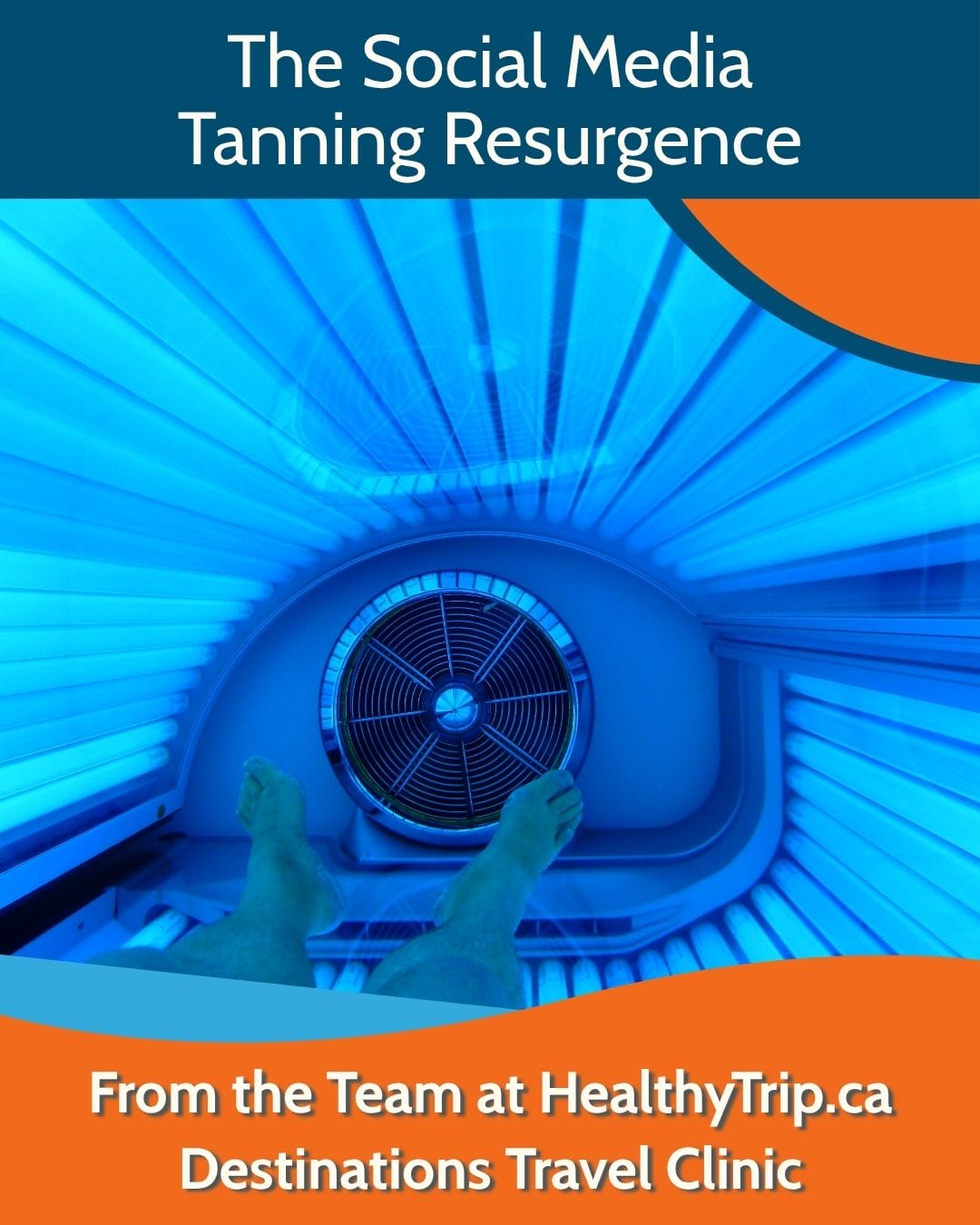
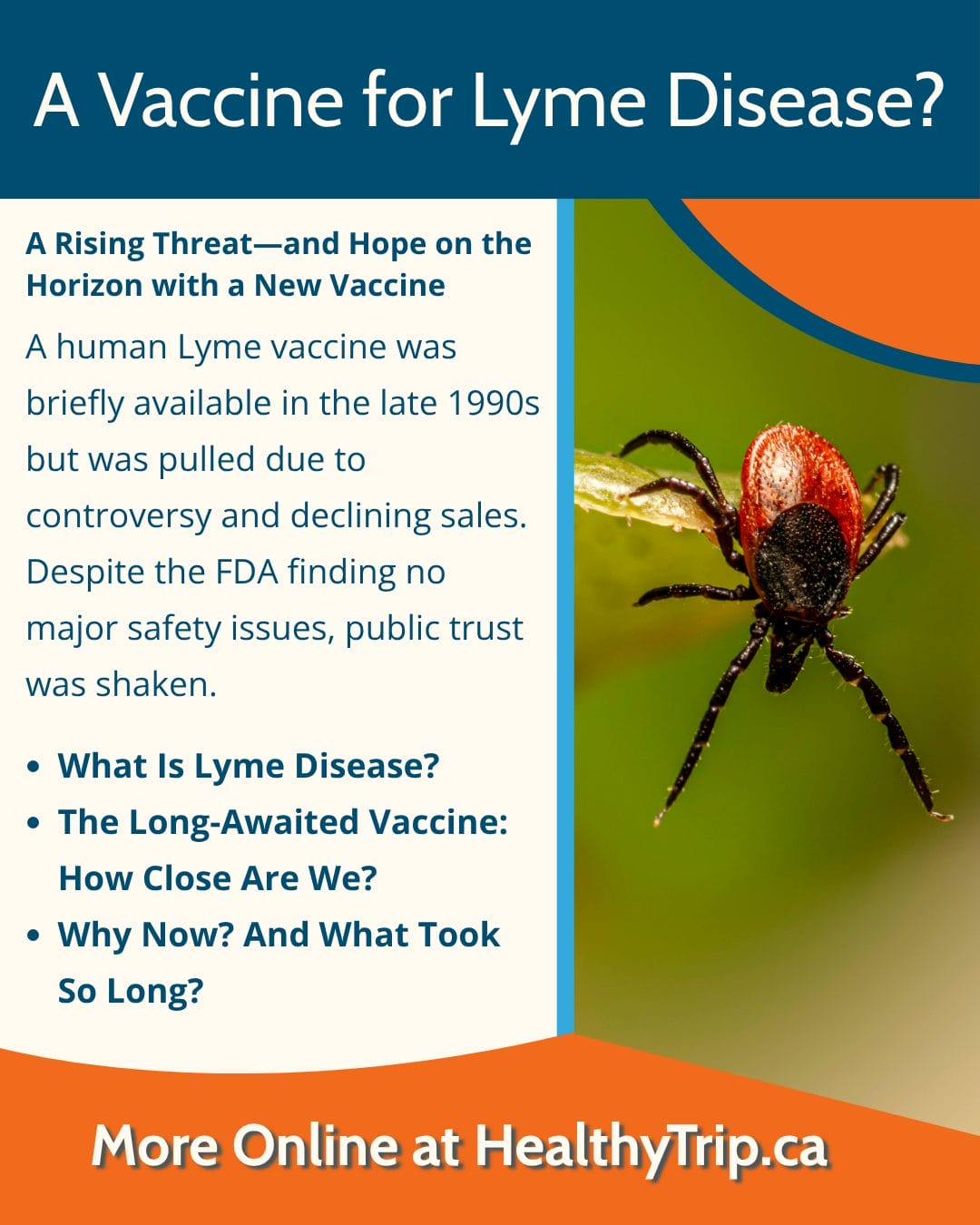


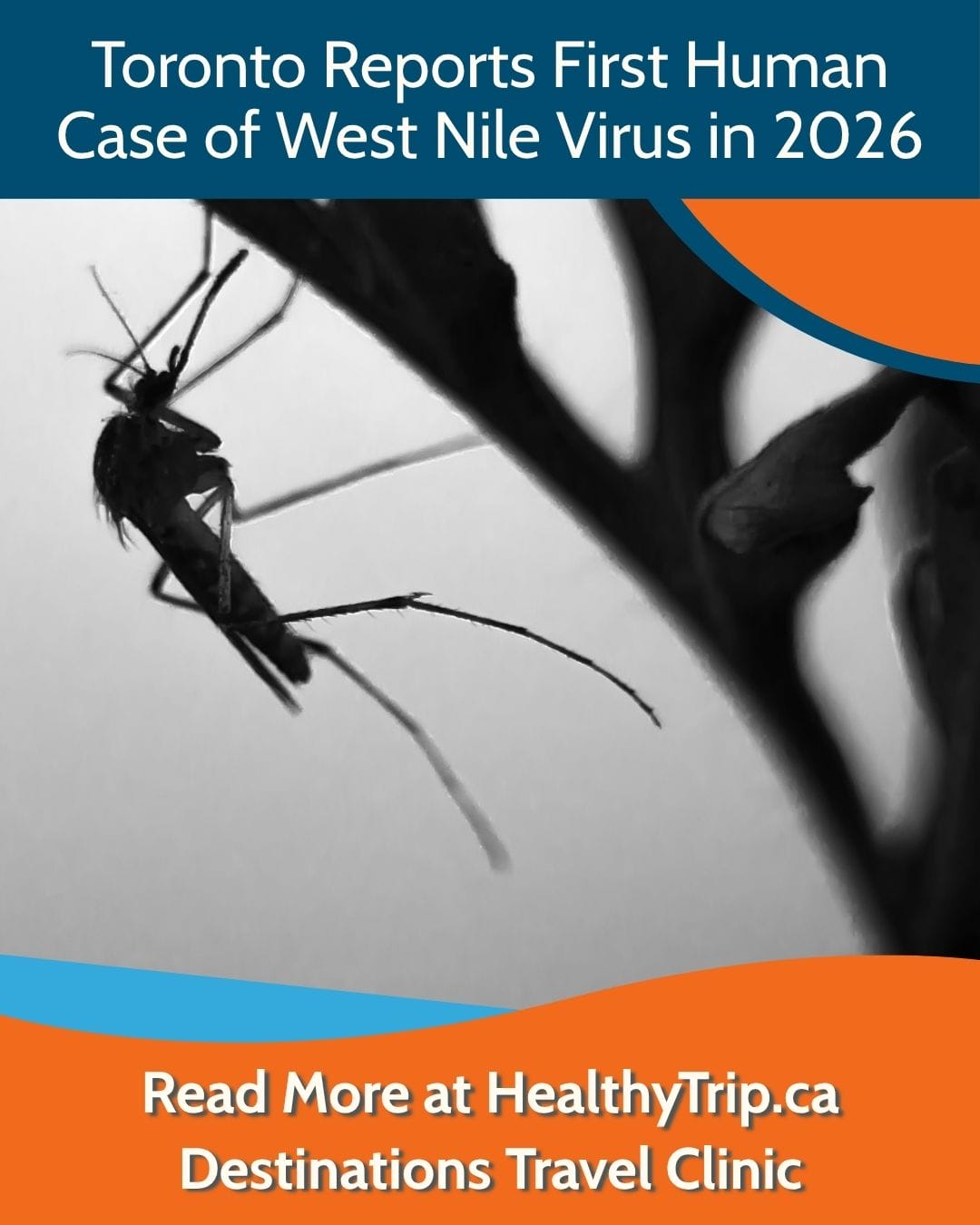
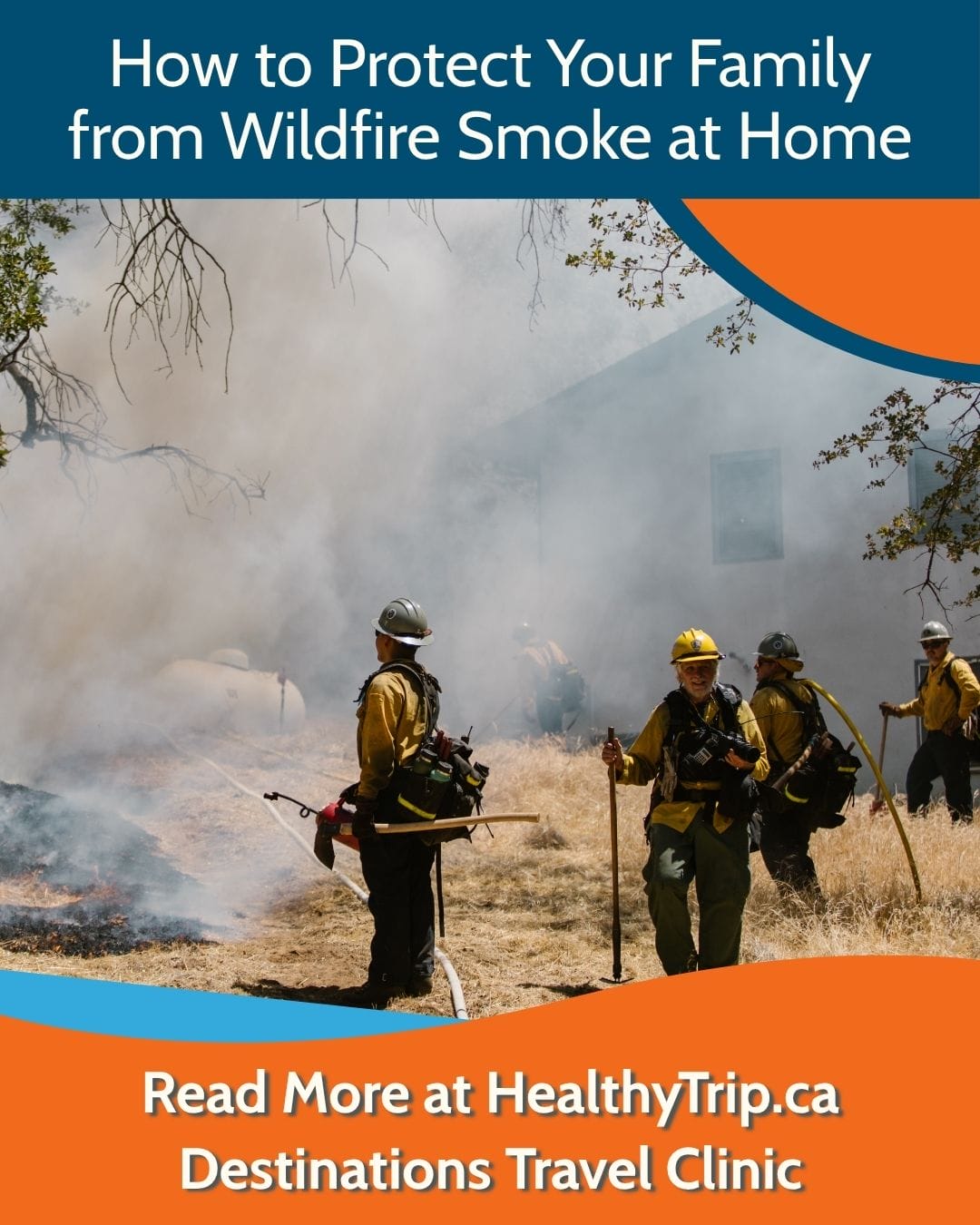

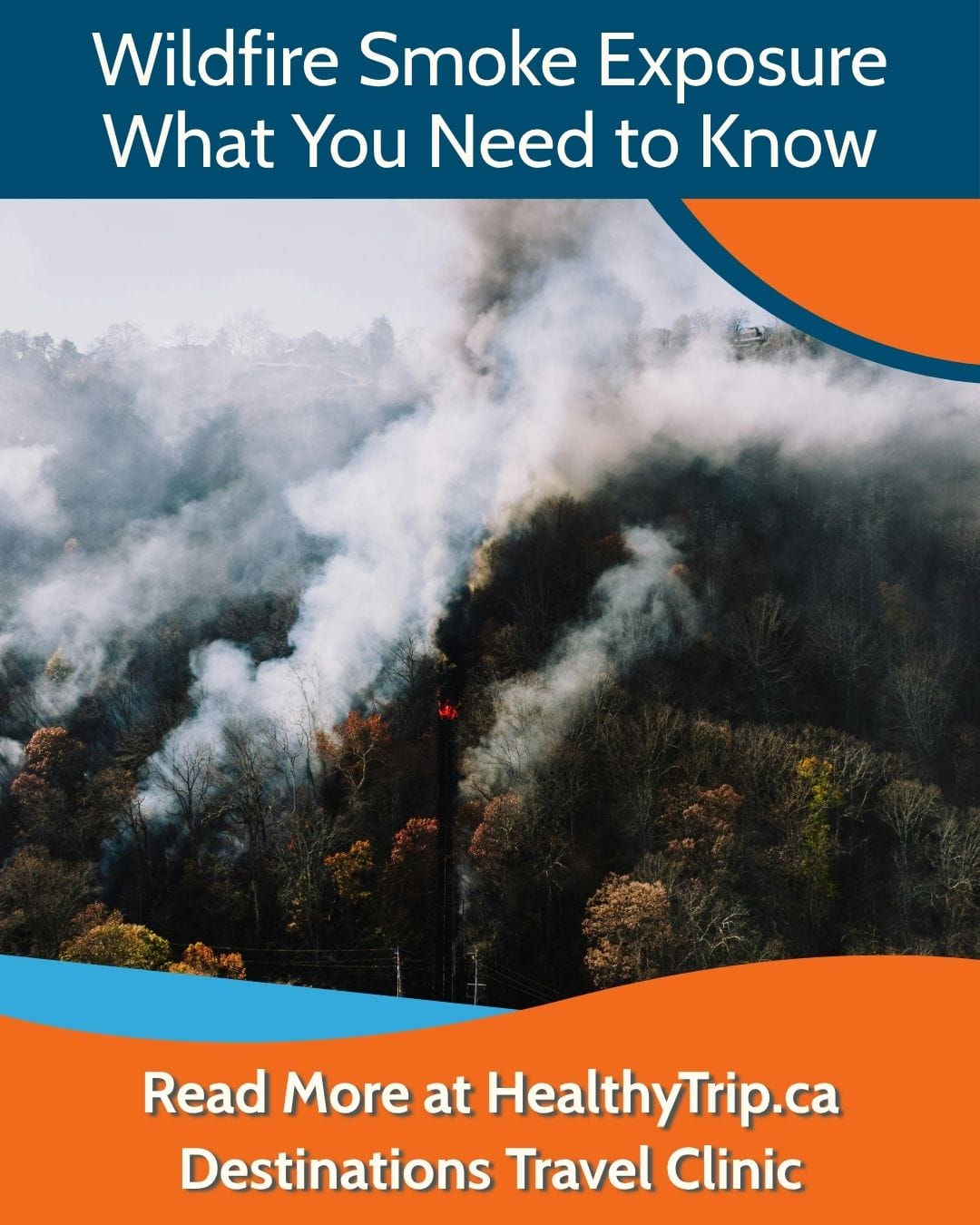






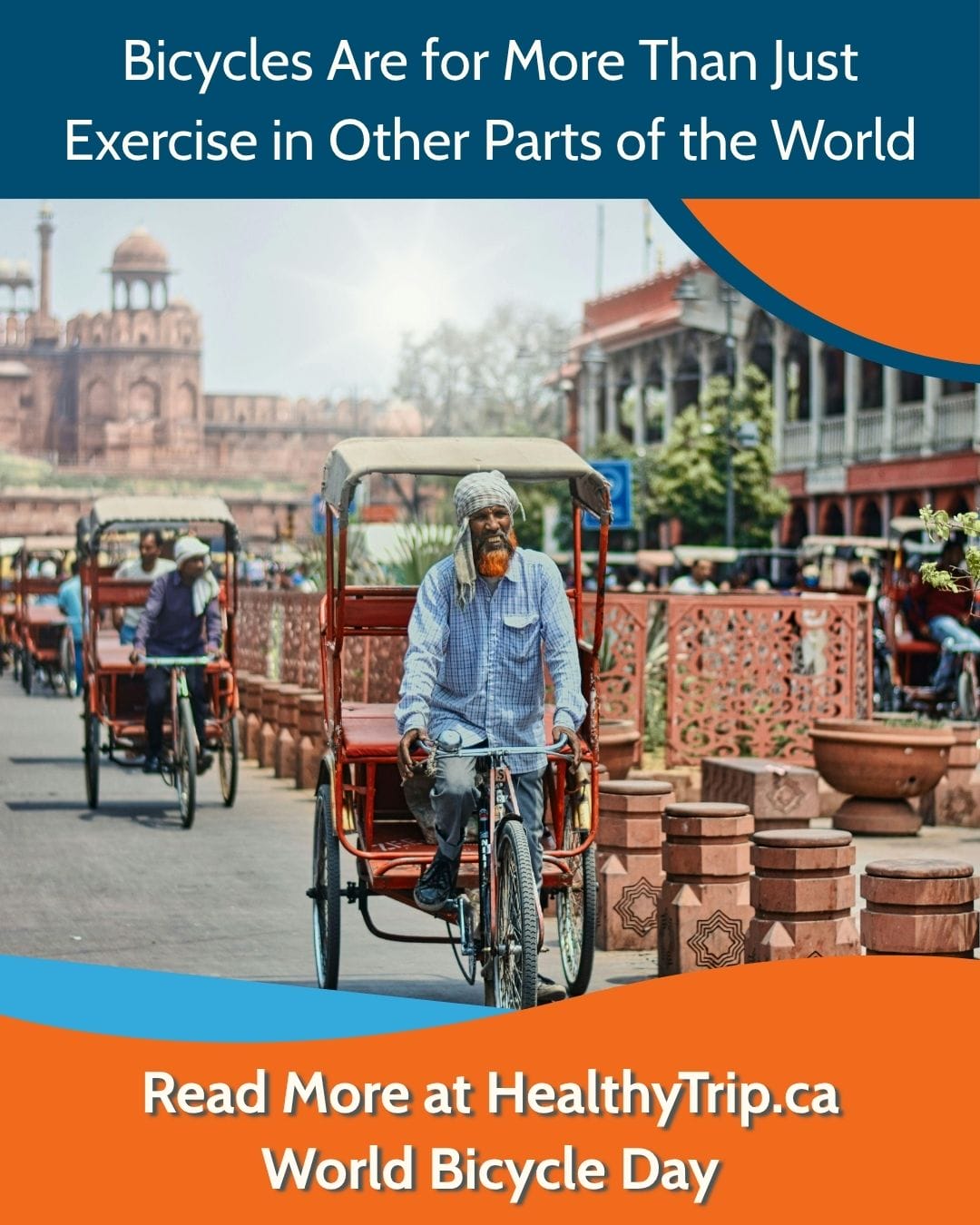






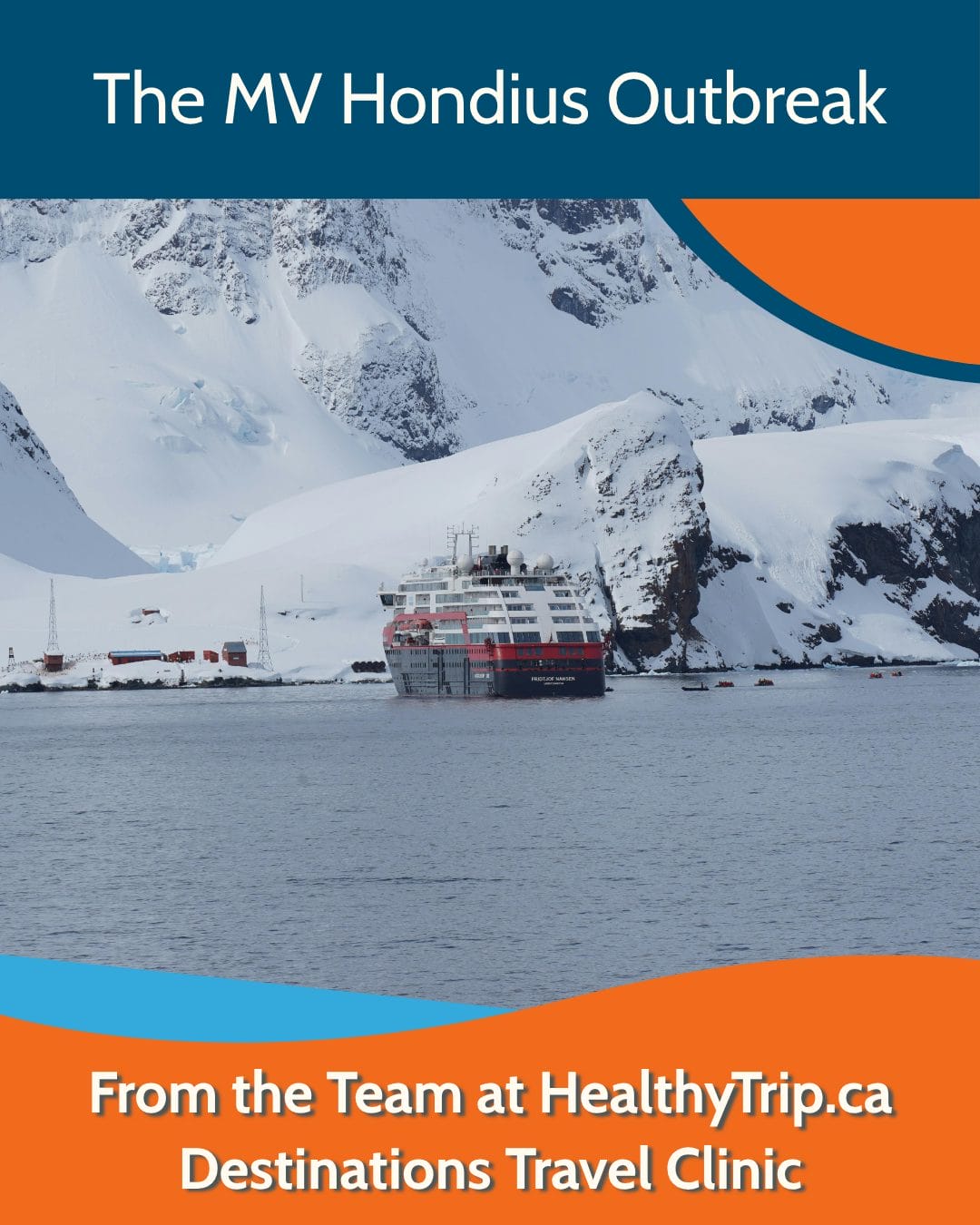
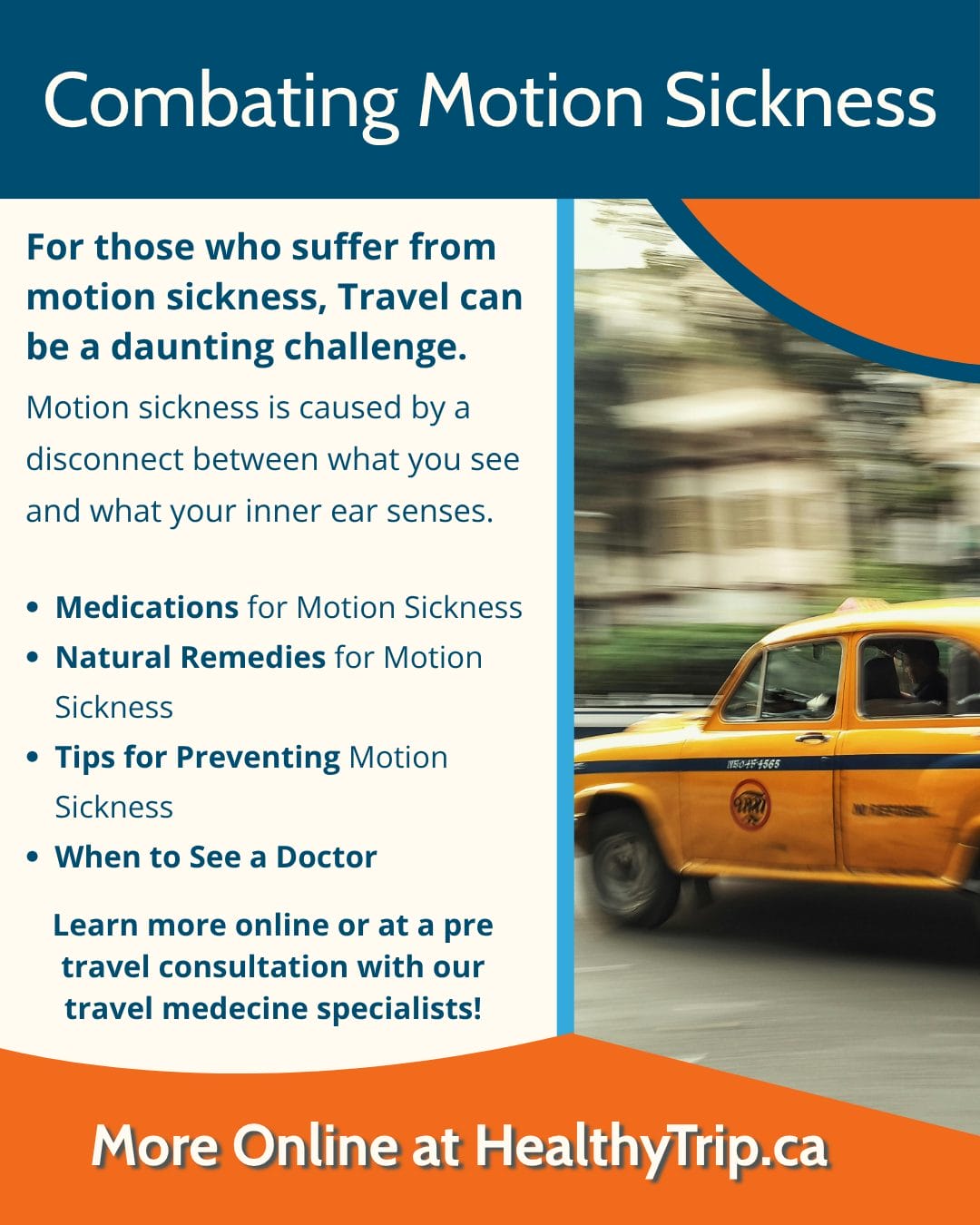
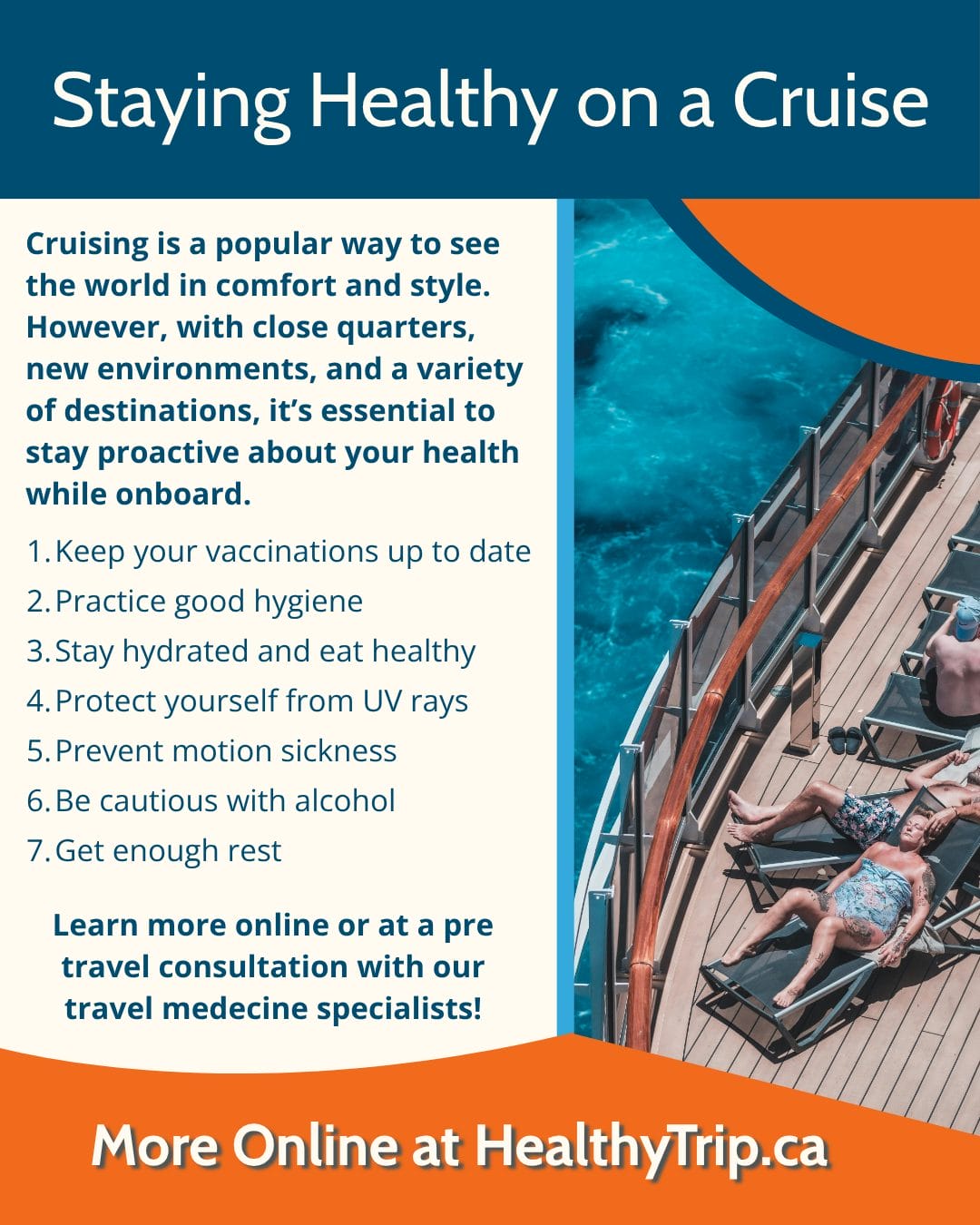



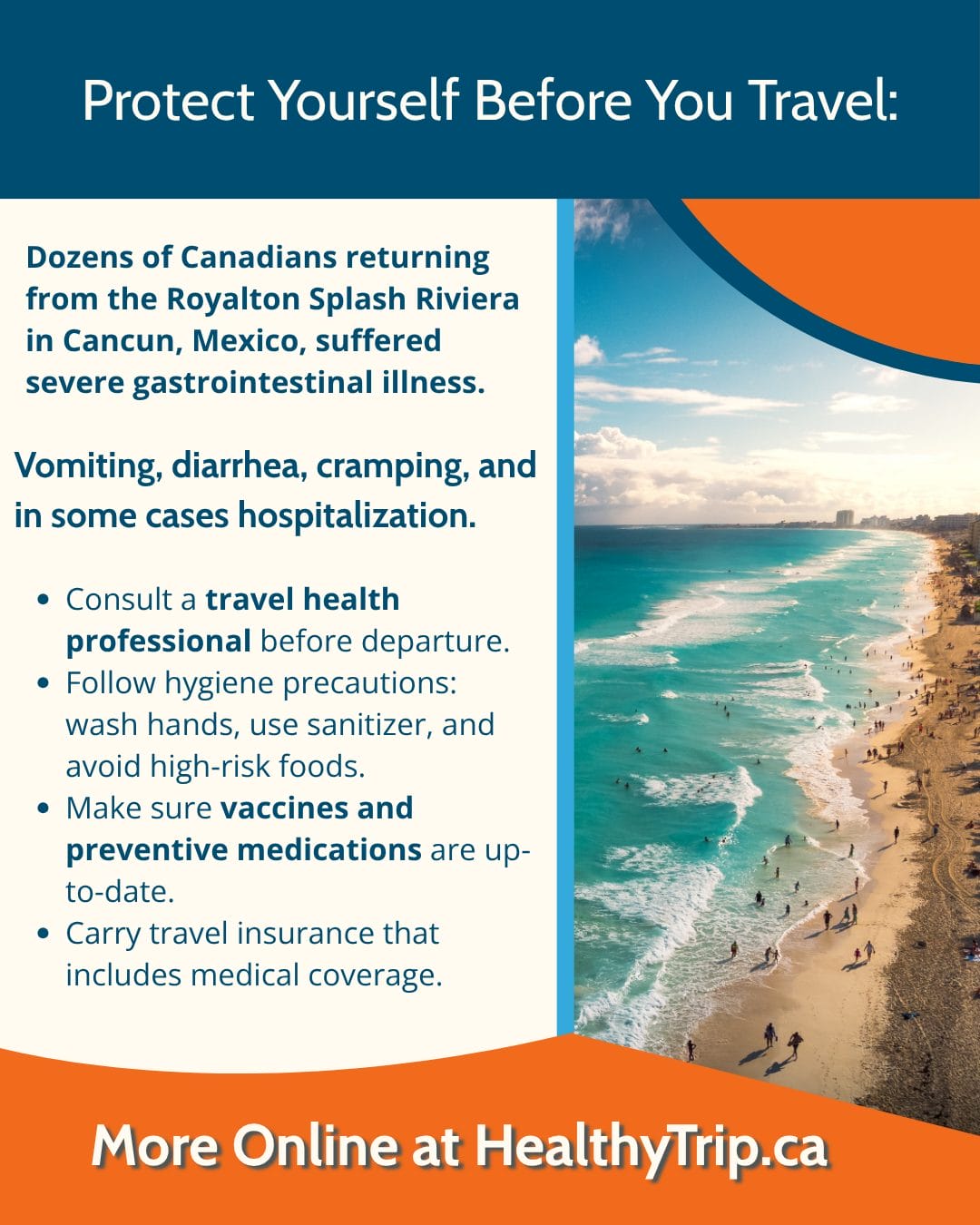
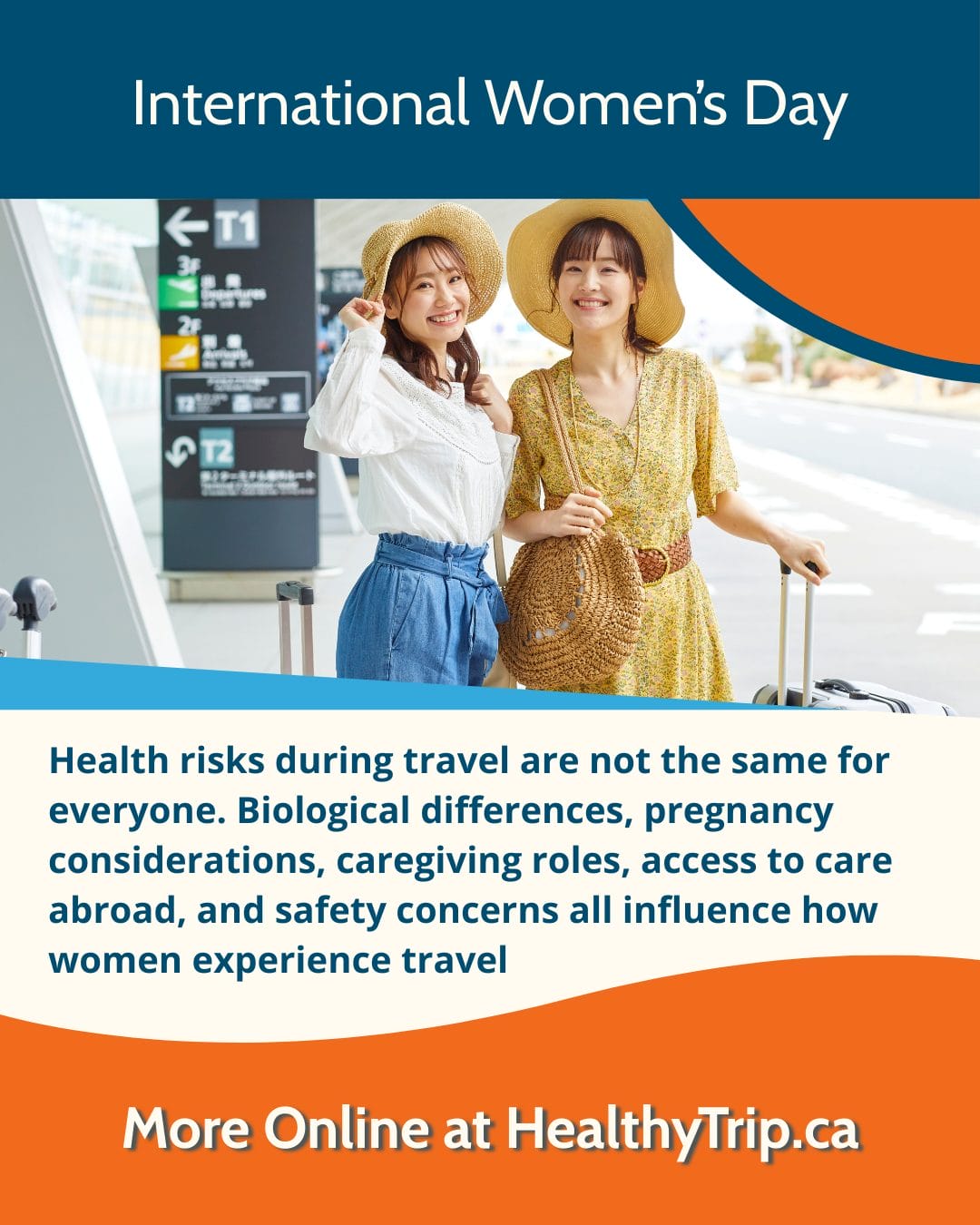


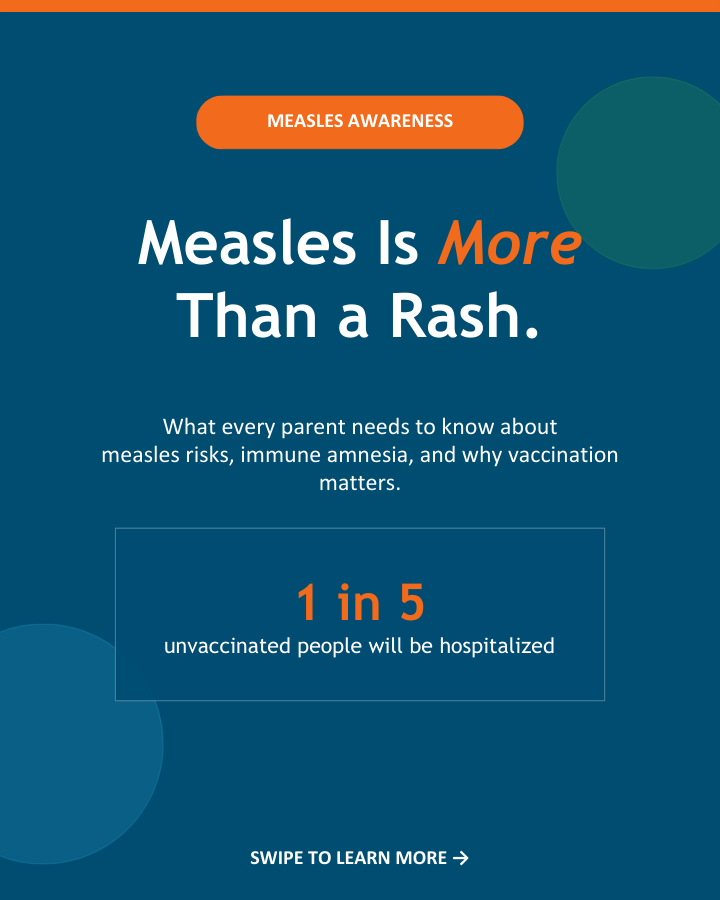

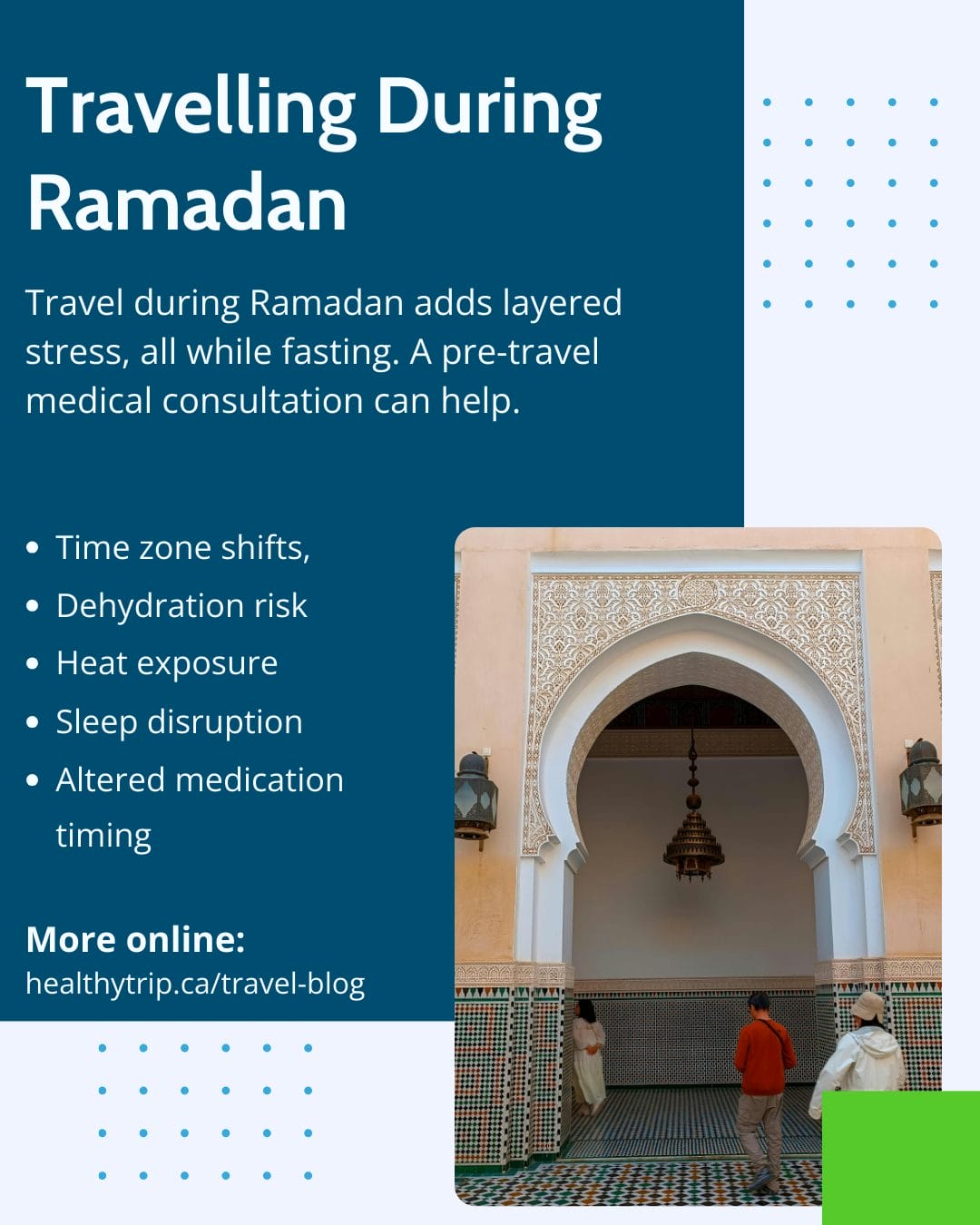

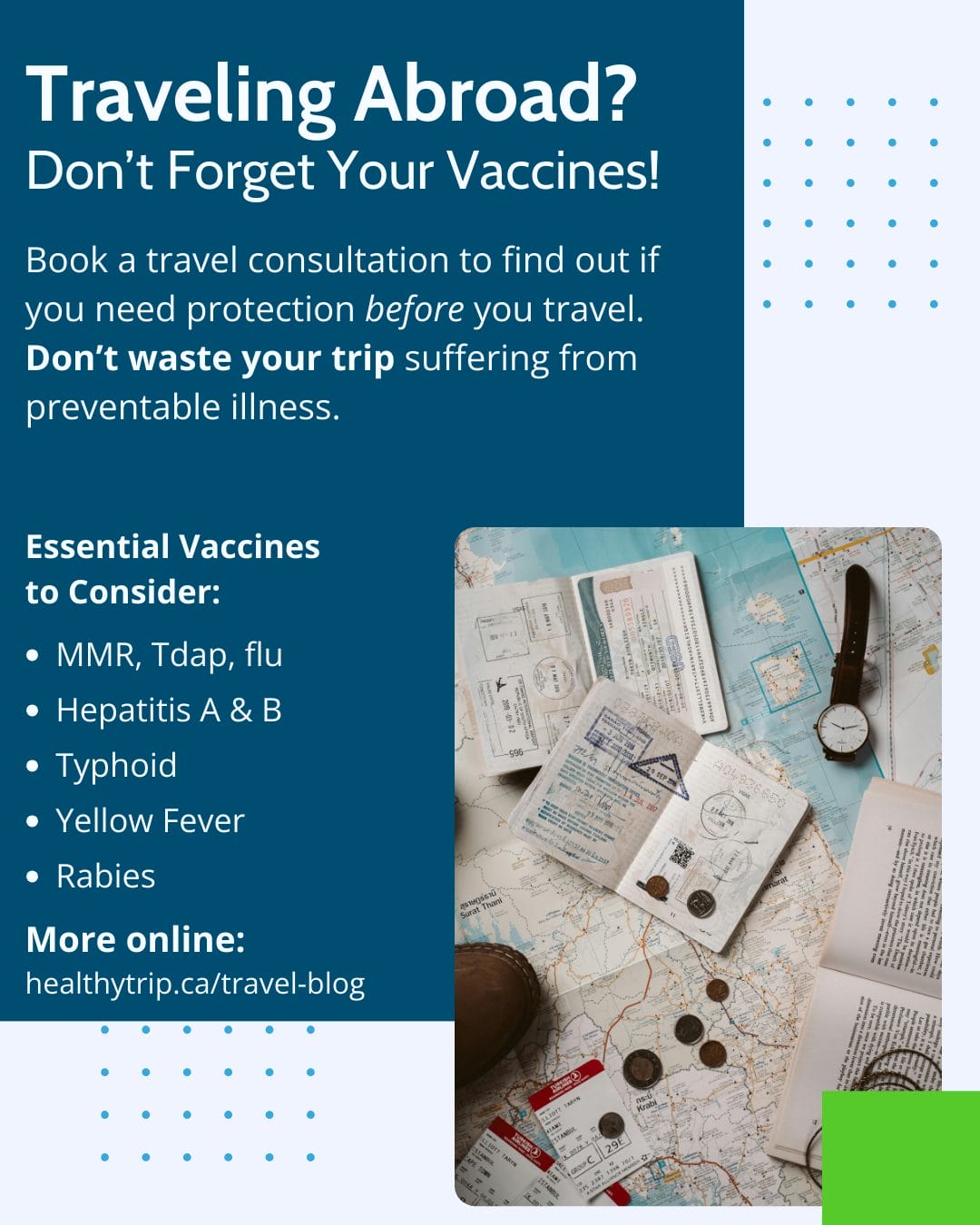
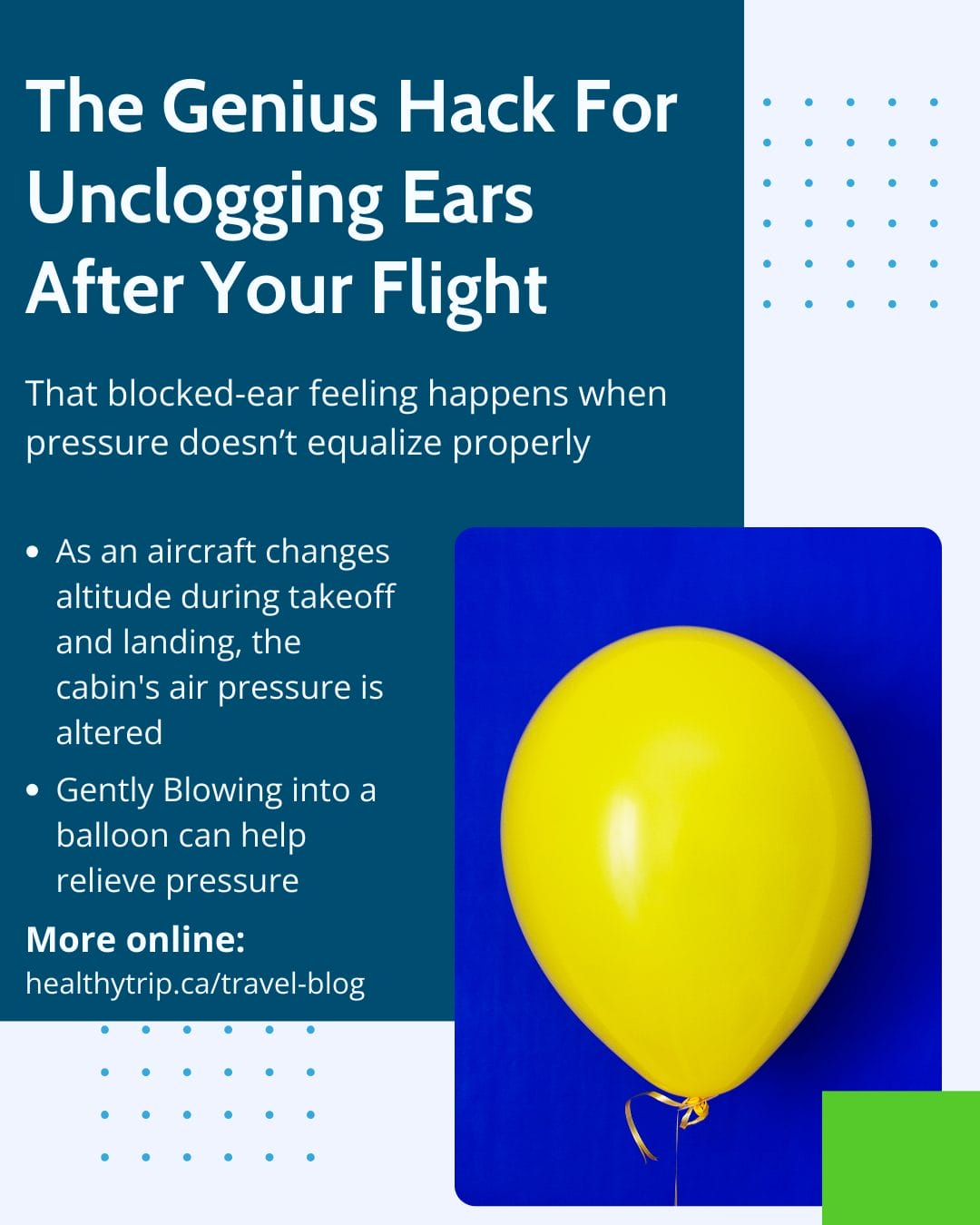
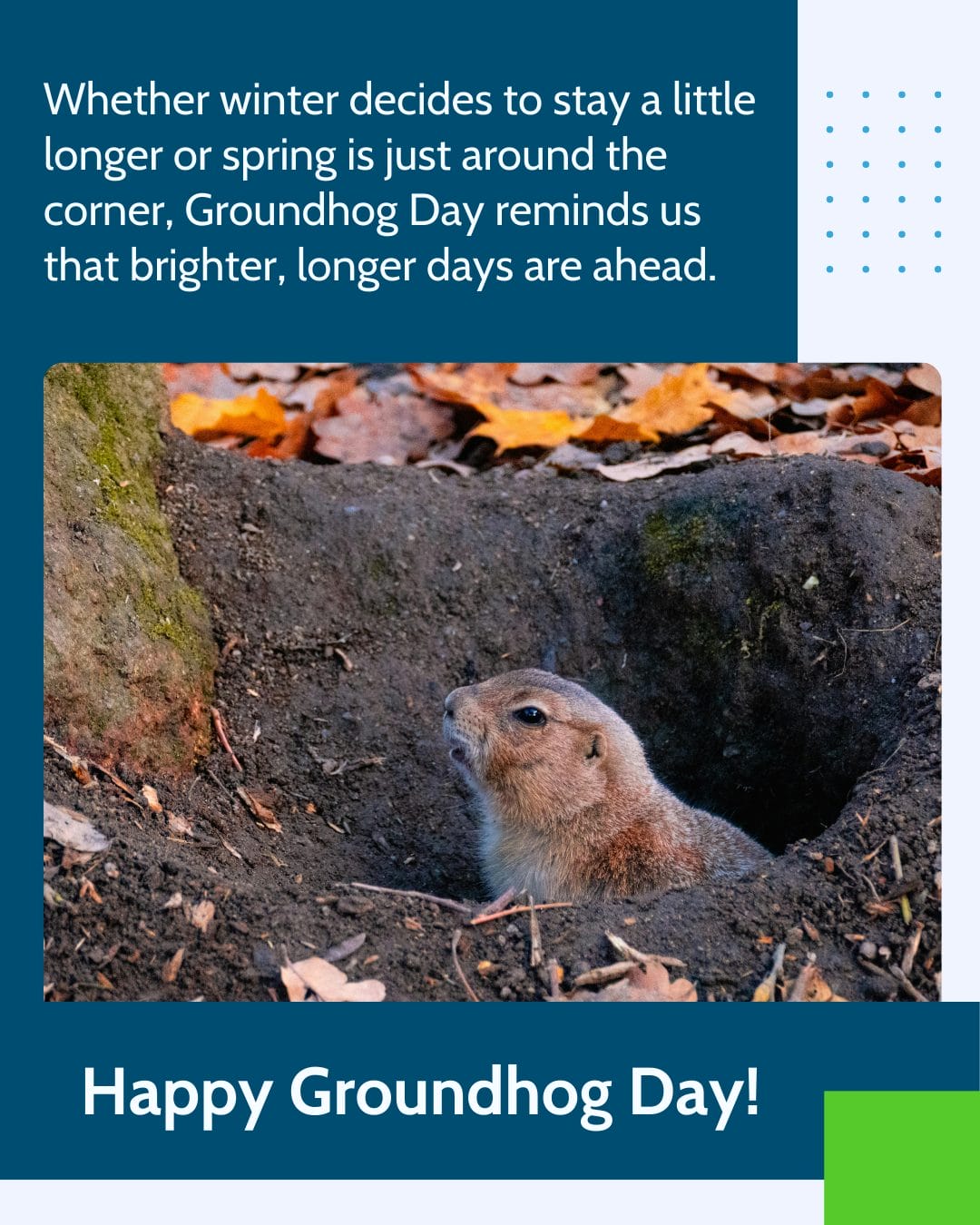
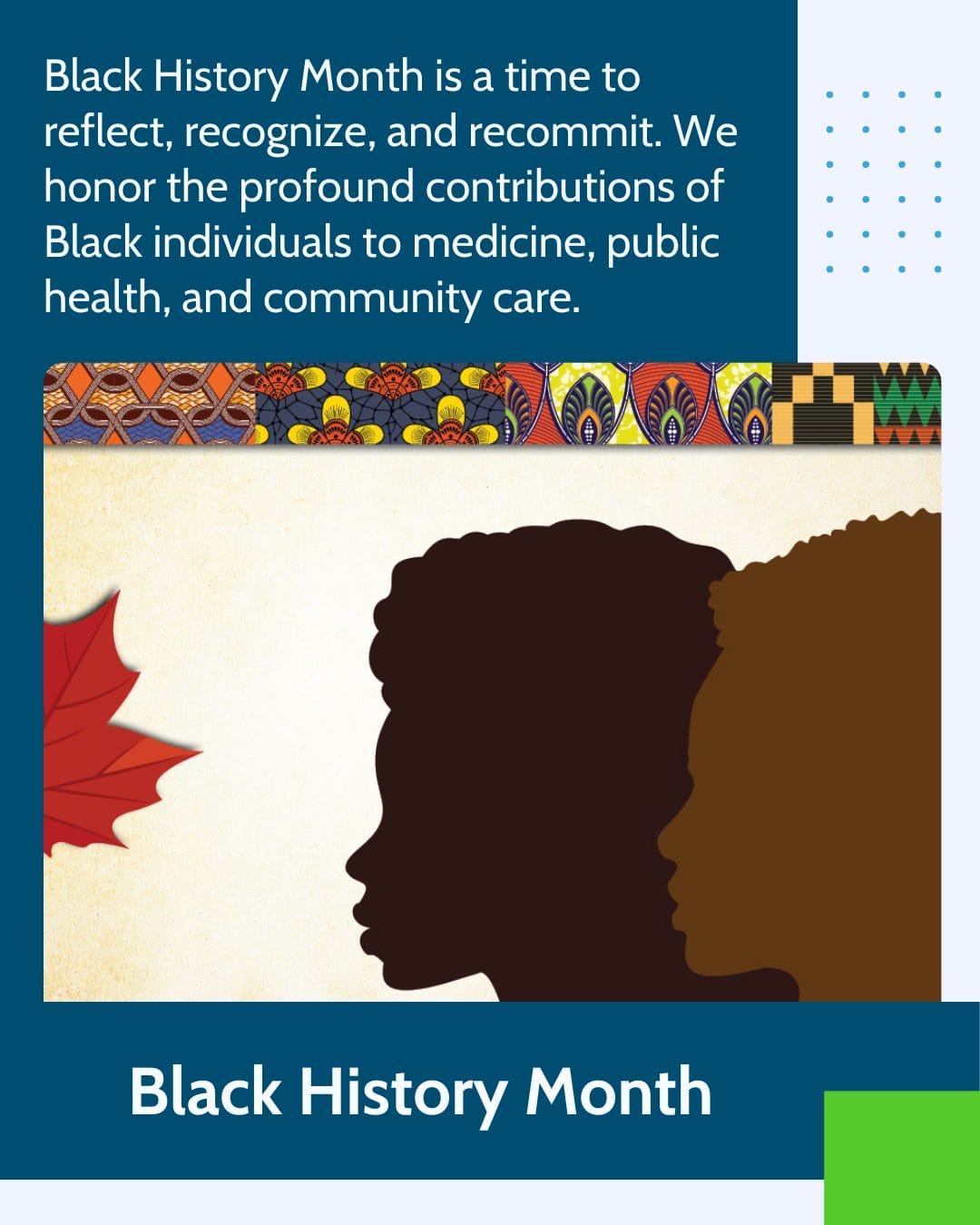
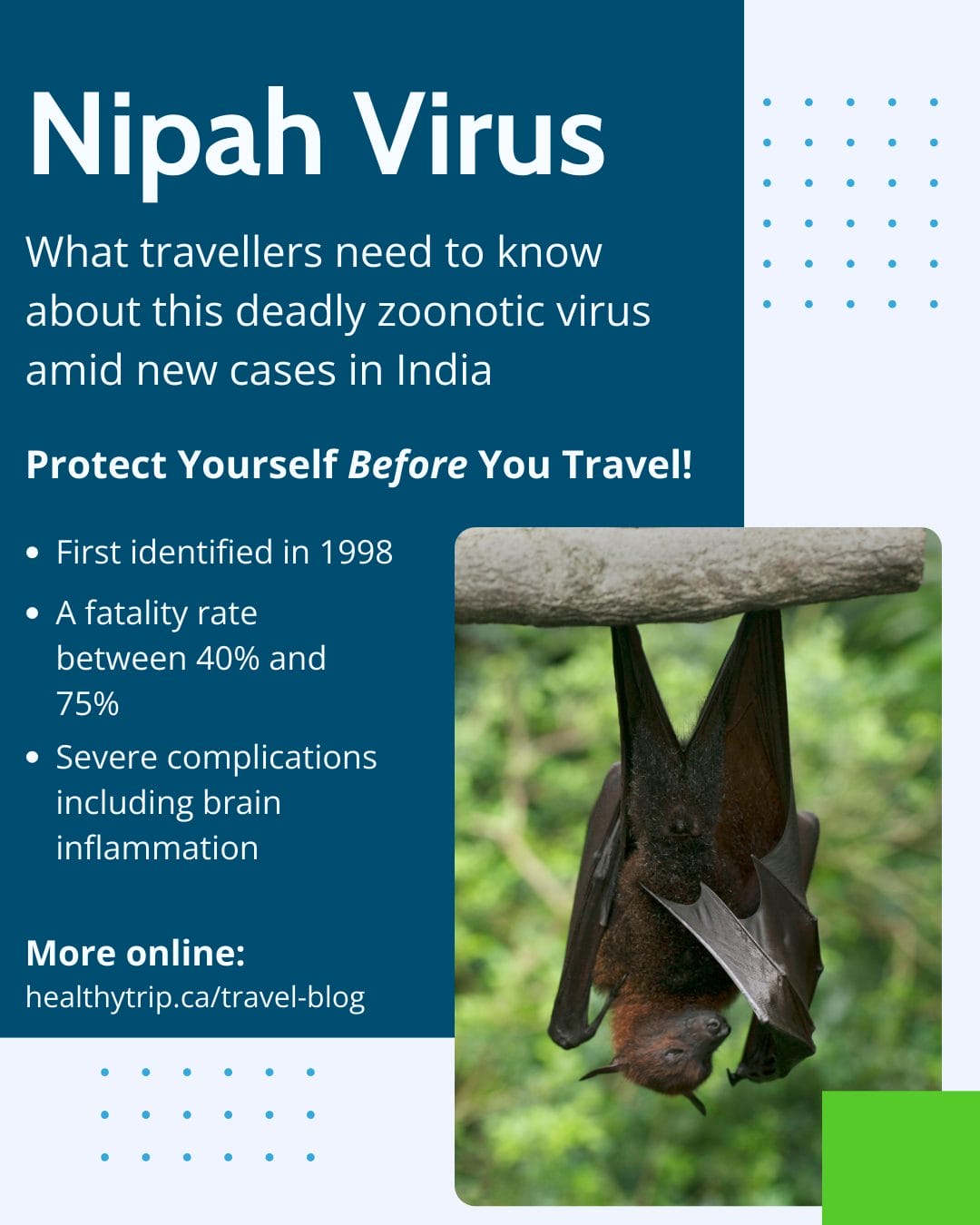




 As Canada Day approaches, we at Destinations Travel Clinic would like to take a moment to express our heartfelt gratitude and appreciation to the wonderful community that has supported us over the years. It is also a time to reflect on the incredible opportunities and privileges that come with living in this beautiful country. Join us as we celebrate this special day and acknowledge the support of our local family, as well as the countless opportunities Canada has to offer.
 y, the first of several potential vaccines in the pipeline for RSV to be licensed anywhere.