
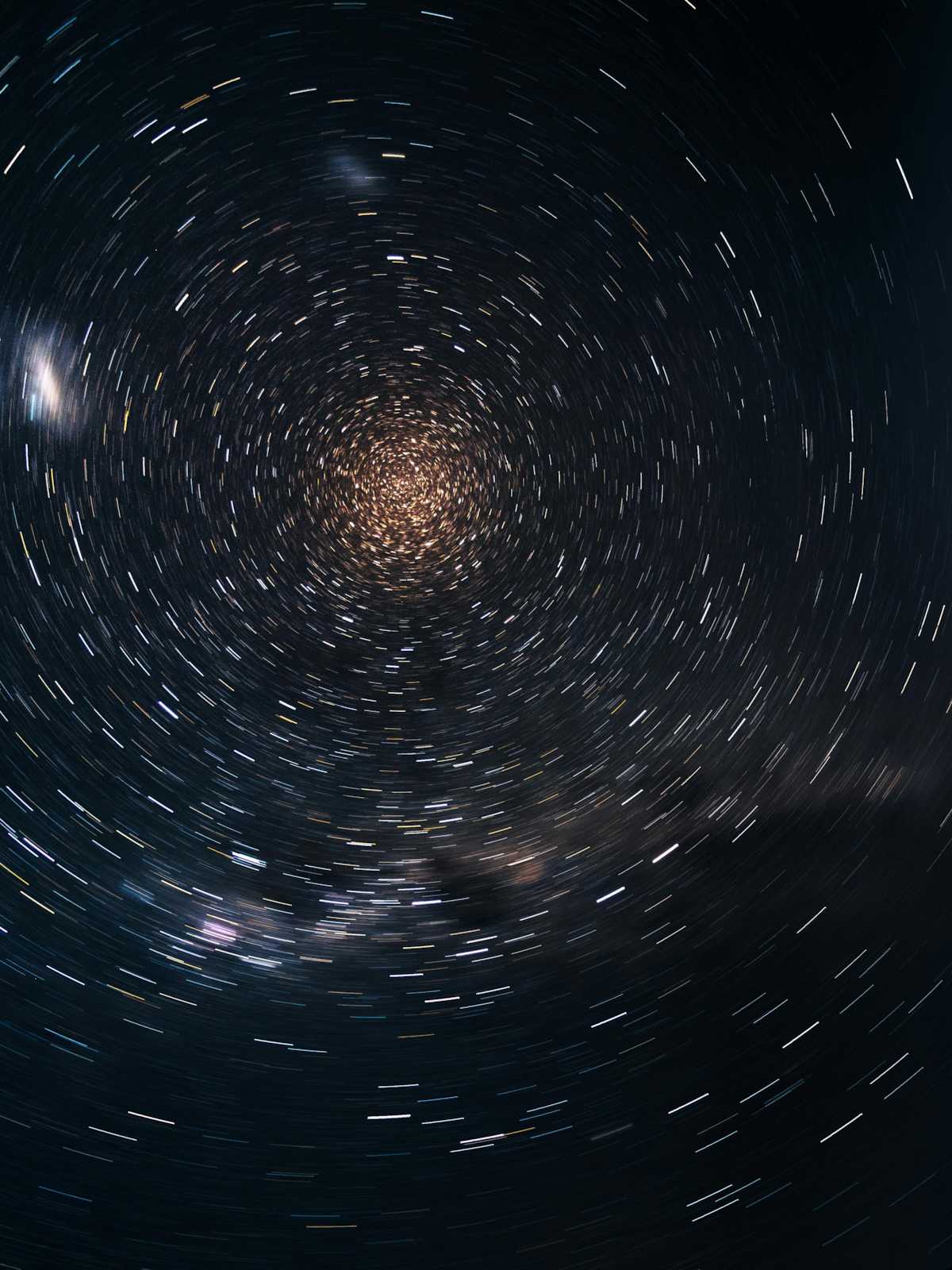
For travelers from Canada and other northern countries, stargazing in the Southern Hemisphere offers a completely different view of the night sky. Familiar constellations disappear, new ones take center stage, and the Milky Way often appears brighter and more detailed than what many travelers have seen at home.
Whether you’re heading to Brazil, India, The Philippines, or South Africa, understanding how southern stargazing differs — and how to prepare for the environment — can help you make the most of your experience.
Why the Southern Hemisphere Night Sky Is So Different
The Earth’s tilt means the Southern Hemisphere faces a completely different portion of the galaxy than the Northern Hemisphere. As a result:
- Many well-known northern constellations, such as Ursa Major (the Big Dipper), are not visible.
- Entirely new constellations dominate the sky.
- The center of the Milky Way is often higher and more prominent, especially in southern latitudes.
For astronomy enthusiasts, this makes southern travel especially rewarding.
Iconic Southern Hemisphere Constellations
Some of the most famous constellations and features visible primarily from the Southern Hemisphere include:
- Crux (Southern Cross): One of the most recognizable southern constellations, often used for navigation and featured on several national flags.
- Centaurus: Home to Alpha Centauri, the closest star system to Earth.
- Carina: Contains the Carina Nebula, one of the brightest nebulae visible to the naked eye under dark skies.
- Scorpius: Far more prominent and higher in the sky than it appears from Canada.
These constellations are best viewed from locations far from city lights, particularly deserts, coastlines, and high-elevation regions.
Best Destinations for Southern Hemisphere Stargazing
Some Southern Hemisphere regions are globally recognized for their dark skies and observatories:
- Chile’s Atacama Desert: One of the driest places on Earth, offering exceptionally clear skies year-round.
- Australia’s Outback: Vast, remote landscapes with minimal light pollution.
- New Zealand’s South Island: Home to dark-sky reserves and dramatic alpine scenery.
- Southern Africa: Excellent visibility in arid and semi-arid regions, especially during winter months.
Seasonal Differences Travelers Should Know
One of the most important adjustments for northern travelers is that seasons are reversed:
- Summer: December to February
- Winter: June to August
This matters for both stargazing and health planning. Warmer months often bring increased insect activity, especially mosquitoes, while cooler months may offer clearer skies but colder nighttime temperatures in desert or high-altitude regions.
Insects, Nighttime Exposure, and Travel Health
Stargazing often involves spending extended periods outdoors after sunset — exactly when mosquitoes and other insects are most active in many Southern Hemisphere destinations.
In some regions, mosquitoes can transmit illnesses such as dengue, Zika, chikungunya, or malaria, depending on location and season. Even short evening activities can increase exposure without proper precautions.
Basic protection includes:
- Using appropriate insect repellent
- Wearing long sleeves and pants in the evening
- Being aware of local insect risks specific to your destination
Understanding these risks ahead of time allows travelers to enjoy nighttime activities without unnecessary concern.
How a Travel Clinic Can Help You Prepare
Before traveling south of the equator, a pre-travel consultation can help address both health and environmental factors unique to your destination.
At Destinations Travel Clinic, travel consultations may include:
- Destination-specific vaccine recommendations
- Advice on insect-borne disease prevention
- Guidance for seasonal and climate-related health risks
- Personalized preparation based on length of stay and activities
Proper planning ensures your trip — whether centered on stargazing, adventure travel, or relaxation — is as safe and enjoyable as possible.
Travel Far, Look Up, Stay Prepared
The Southern Hemisphere offers some of the most breathtaking night skies on Earth. With a little preparation and awareness, travelers can fully enjoy these celestial views while staying protected throughout their journey.
The medical information on this site is provided as an information resource only and is not to be used or relied on for any diagnostic or treatment purposes. This information does not substitute for professional diagnosis and treatment. Please do not initiate, modify, or discontinue any treatment, medication, or supplement solely based on this information. Always seek the advice of your health care provider first.
Stay Connected with Destinations Travel and Immunization Clinic! healthytrip.ca/travel-blog
Because Your Health Doesn’t Take a Vacation — Even When You Do.
If you found this article helpful, don’t forget to like, share, and Follow to stay up to date on our latest travel health tips, updates, and wellness advice.
The medical information on this site is provided as an information resource only and is not to be used or relied on for any diagnostic or treatment purposes. This information does not substitute for professional diagnosis and treatment. Please do not initiate, modify, or discontinue any treatment, medication, or supplement solely based on this information. Always seek the advice of your health care provider first. Full Disclaimer