
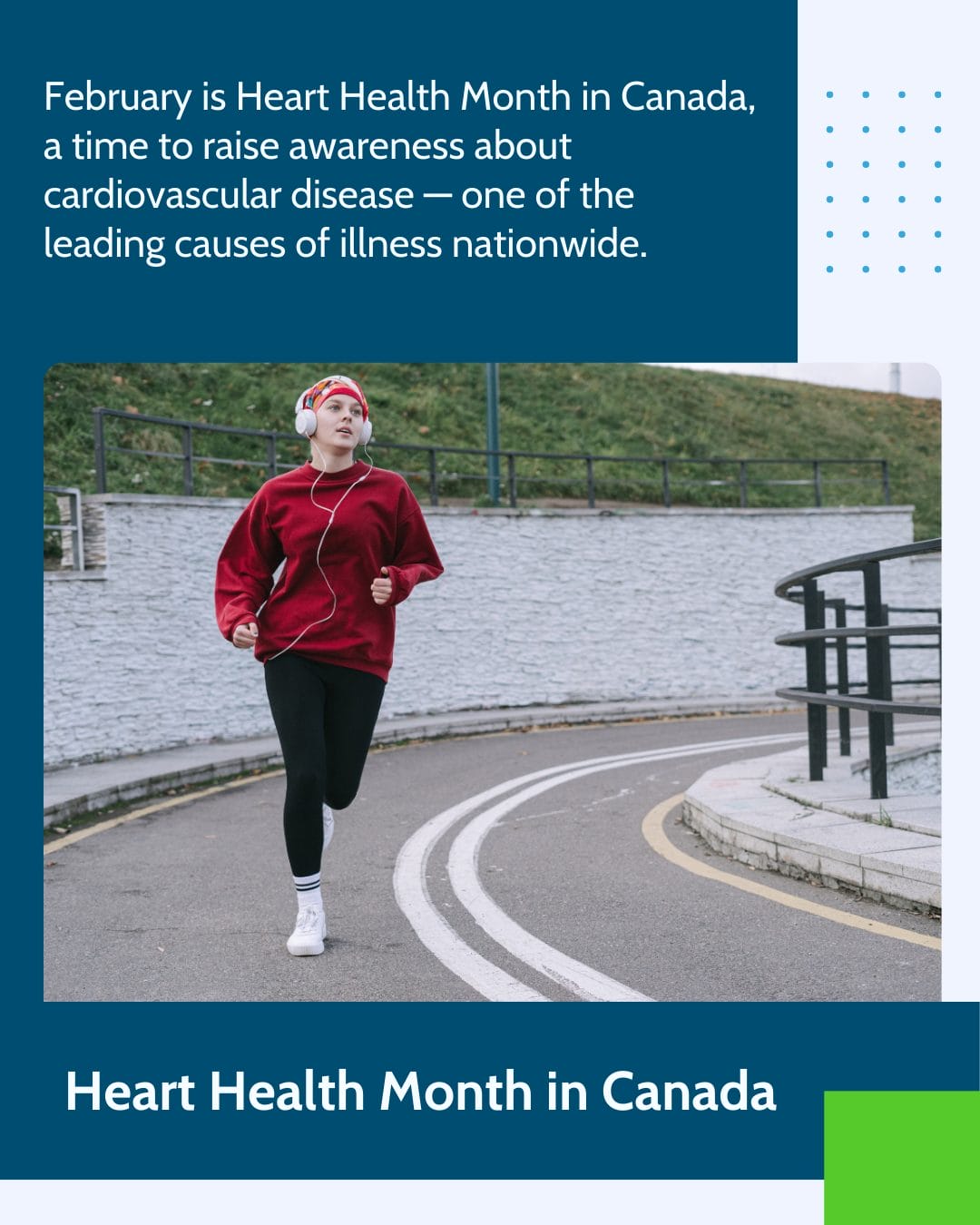
Travelling can be exciting — but it can also place extra stress on the heart, especially for people with high blood pressure or heart conditions. Understanding how travel and altitude affect heart health is an important part of safe trip planning.
How Altitude Affects the Heart
At higher altitudes, oxygen levels decrease, which can cause the heart to work harder. This may lead to:
- Increased heart rate
- Elevated blood pressure
- Shortness of breath
- Fatigue
People with hypertension or cardiovascular conditions should take extra precautions when travelling to higher elevations.
Heart-Healthy Travel Tips
Healthytrip.ca recommends:
- Monitoring blood pressure before and during travel
- Taking medications as prescribed (and packing extra)
- Staying hydrated
- Avoiding excessive alcohol
- Allowing time to acclimatize at higher altitudes
- Speaking with a healthcare provider or pharmacist before departure
Planning ahead helps reduce risks and allows you to enjoy your trip with confidence.
The medical information on this site is provided as an information resource only and is not to be used or relied on for any diagnostic or treatment purposes. This information does not substitute for professional diagnosis and treatment. Please do not initiate, modify, or discontinue any treatment, medication, or supplement solely based on this information. Always seek the advice of your health care provider first. Full Disclaimer